


10 Pro Tips for Sharing a Room Peacefully in 2025
Sharing a room, whether it’s two toddlers graduating to their own beds or a new baby joining a sibling, often feels like a masterclass in negotiation and creative problem-solving. It's a delicate dance of balancing personal space with shared territory, one child's early bedtime with another's night-light preference, and vastly different definitions of 'tidy.' But here’s the good news: a peaceful coexistence isn't a myth. It is entirely achievable with the right game plan.
Forget the generic advice you've heard a thousand times. This guide dives deep into ten practical, actionable strategies that address the real-world challenges of sharing four walls. We'll explore everything from ninja-level organization hacks and establishing clear boundaries to conflict resolution that actually works for kids. This comprehensive list is designed to equip you with the specific tools needed to transform a shared space from a potential battleground into a harmonious haven. By focusing on creating a structured and respectful environment, you can make sharing a room a positive experience that teaches invaluable life skills.
1. Establish Clear Boundaries and Personal Space
The foundation of successfully sharing a room, whether between siblings or a parent and an infant, is creating clear physical and psychological boundaries. This strategy involves designating distinct zones for each individual, which helps minimize conflict, respects the need for personal autonomy, and provides a sense of ownership. By defining what is "mine," "yours," and "ours," you set clear expectations from the start, making cohabitation much smoother.
This concept is crucial because even the youngest children crave a space to call their own. It’s a fundamental part of developing independence. When boundaries are respected, it fosters mutual respect and reduces squabbles over toys, clothes, or simply who gets to use which side of the room. This approach is particularly effective when sharing a room involves children of different ages with different needs and schedules.
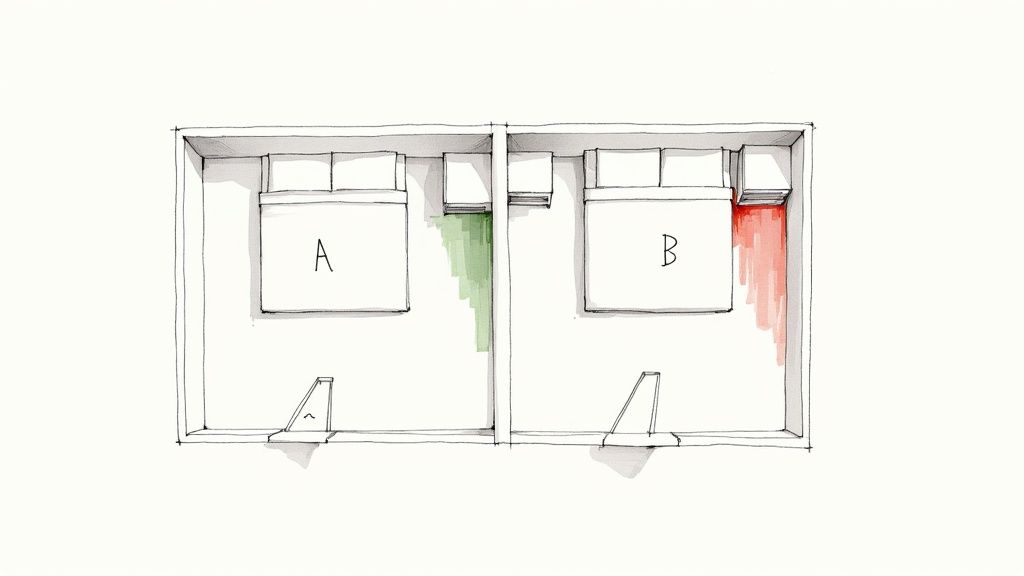
How to Implement Physical Boundaries
Creating visual and tangible separation is key to making this strategy work. You don’t need to build a wall; simple, creative solutions can be highly effective.
- Use Room Dividers: A tall bookshelf, a folding screen, or even a strategically placed curtain can instantly create two distinct areas. This gives each child a visual sense of privacy.
- Color-Code Everything: Assign each child a specific color. Use it for their bedding, storage bins, desk accessories, and even wall decals on their side of the room. This makes ownership instantly recognizable.
- Leverage Rugs: Placing different rugs in each child's zone can effectively delineate their personal space without adding bulky furniture.
- Map It Out: For younger children, create a simple, colorful map of the room that clearly shows each person's designated area. You can make it a fun activity to design together.
By actively defining these spaces, you are teaching valuable lessons about respecting property and personal space—a skill essential for anyone successfully sharing a room.
2. Implement a Shared Storage and Organization System
A well-organized room is the cornerstone of peaceful cohabitation, turning potential chaos into calm. Implementing a shared storage system is about more than just tidying up; it's a strategy for maximizing space, minimizing conflict over belongings, and teaching valuable life skills. By creating a clear, intuitive system for everything from toys to clothes, you establish a predictable environment that reduces stress for everyone sharing a room.
This approach is essential because clutter often leads to frustration and disputes. When items have a designated home, cleanup becomes a straightforward task rather than a battle of wills. This system empowers children by giving them responsibility for their own belongings, fostering independence and respect for shared spaces. It’s a proactive solution that prevents mess-related arguments before they start, making it a critical component of successful room sharing.
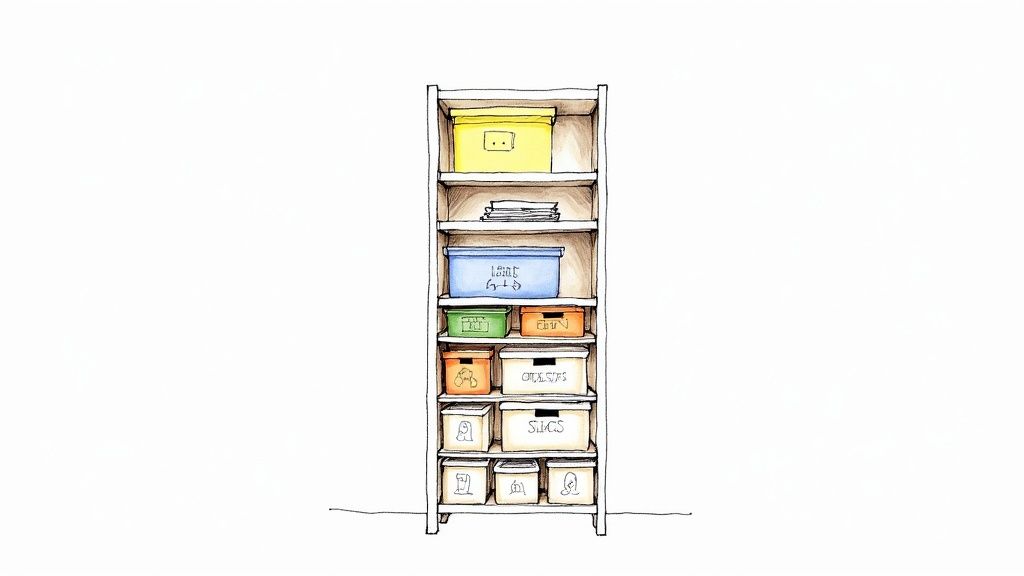
How to Create an Effective Organization System
An effective system is one that everyone can easily understand and maintain. The key is to make organization simple, visual, and part of the daily routine.
- Categorize and Label Everything: Group similar items together—all building blocks in one bin, art supplies in another. Use clear labels with pictures for younger children and words for older ones. This visual cue system makes finding and putting away items effortless.
- Utilize Vertical and Hidden Space: Think upwards and downwards. Install wall shelves for books and decor, and use under-bed storage containers for seasonal clothes or less-frequently used toys. When sharing a room, especially in environments like a dorm, maximizing every inch of storage space is crucial. Explore these essential dorm closet organization tips to make the most of limited areas.
- Establish a 'One In, One Out' Rule: To prevent clutter from accumulating, introduce a rule where a new toy or clothing item can only come in if an old one is donated or discarded. This teaches conscious consumption and keeps belongings manageable.
- Schedule Regular Tidy-Up Times: Make organization a habit, not a chore. Dedicate 10-15 minutes each day or a specific time each week for a "room reset" where everyone helps put things back in their proper places. For more specific ideas, especially in a nursery, explore these expert nursery organization tips.
3. Create a Cleaning and Maintenance Schedule
One of the biggest sources of friction when sharing a room is the inevitable mess. A mutually agreed-upon cleaning schedule is a powerful tool to prevent resentment, ensure hygiene, and maintain a pleasant living environment. By assigning specific tasks and frequencies, you remove ambiguity about responsibilities and empower everyone to contribute fairly to the upkeep of their shared space.
This proactive approach teaches children responsibility and the importance of teamwork. When expectations are clear, there’s less room for arguments over whose turn it is to pick up toys or put away laundry. It transforms cleaning from a potential battleground into a predictable, manageable routine, which is essential for a peaceful cohabitation, especially when sharing a room with siblings of different ages.
How to Implement a Cleaning Schedule
Making the schedule collaborative is crucial for getting buy-in, especially from older children. A visual, easy-to-follow chart or digital tool can make the process more engaging and effective.
- Make It Visual and Accessible: Create a laminated checklist or a whiteboard chart that clearly outlines daily, weekly, and monthly tasks. Place it in a visible spot in the room.
- Rotate Tasks Weekly: To keep things fair and prevent boredom, rotate chores each week. One child can be on dusting duty while the other handles vacuuming, and then they swap.
- Use Digital Tools: For tech-savvy families, shared apps like Google Calendar or Trello can be used to assign tasks and send reminders, making organization seamless.
- Define "Clean": Be specific. Instead of "clean your area," break it down into "make your bed," "put clothes in the hamper," and "put books back on the shelf."
- Schedule Regular Reviews: Set aside a few minutes each month to discuss what's working and what isn't. This allows you to adjust the schedule as your children's needs and abilities change.
To ensure everyone contributes to keeping your shared space tidy, consider creating a simple home preventive maintenance schedule template. This helps establish a clear, structured system for room upkeep.
4. Develop Communication Protocols and Conflict Resolution
Beyond physical boundaries, the key to harmony when sharing a room lies in establishing clear communication channels and conflict resolution methods. This proactive approach prevents small annoyances from escalating into major disputes. By creating an agreed-upon framework for discussing issues, you give children the tools to navigate disagreements respectfully and constructively—a critical life skill that extends far beyond their shared bedroom.
This strategy is essential because conflict is inevitable when people live in close quarters. Without a system for addressing it, children may resort to yelling, tattling, or passive-aggressive behavior. Teaching them how to express their feelings and listen to others fosters empathy, cooperation, and emotional intelligence. It transforms potential arguments into opportunities for growth and understanding, making the experience of sharing a room a positive one.
How to Implement Communication Protocols
Creating a structure for communication helps children feel heard and respected, making them more willing to find a compromise.
- Schedule 'Roommate Meetings': Hold a brief, weekly or bi-weekly meeting to discuss what’s working and what isn't. This provides a dedicated time to air grievances before they build up.
- Use 'I Feel' Statements: Teach children to express themselves using "I feel" statements, a core concept of Non-Violent Communication. For example, instead of "You always leave your toys out," encourage them to say, "I feel frustrated when I trip over toys on the floor."
- Establish a Talking Stick: For younger children, use a designated object like a "talking stick." Only the person holding the stick is allowed to speak, which teaches active listening and prevents interruptions.
- Create a Room Agreement: Work together to write down a simple list of room rules, such as "knock before entering" or "ask to borrow toys." Having it in writing makes expectations clear and official.
By implementing these protocols, you’re not just managing a shared space; you're equipping your children with invaluable skills for resolving conflict peacefully.
5. Use Noise Management and Quiet Hours
A peaceful shared room hinges on managing noise levels, especially when occupants have different schedules or sensitivities. Establishing quiet hours and clear noise expectations prevents disruptions that can lead to arguments and restless nights. This strategy involves creating a mutual agreement on when loud activities are off-limits and using tools to minimize sound, ensuring everyone can sleep, study, or relax without interference.
This principle is vital for successful cohabitation because sound travels easily and can be a major source of conflict. Whether it's a toddler’s nap time being interrupted by an older sibling’s video game or a baby waking up from a loud conversation, controlling the auditory environment is key. A proactive approach to noise management fosters consideration and is fundamental for anyone successfully sharing a room, particularly when it involves infants who need consistent, quiet sleep.
How to Implement Noise Management
Creating a quiet atmosphere requires a combination of clear rules and practical sound-dampening solutions. These simple adjustments can make a significant difference.
- Establish Quiet Hours: Agree on a specific time frame, like 8 PM to 7 AM, when all activities must be quiet. This helps set a predictable routine for everyone in the room.
- Use a White Noise Machine: A sound machine or even a simple fan can create a consistent, soothing background noise that masks sudden sounds like doors closing or a cough. You can discover more safe sleeping tips for toddlers that incorporate a peaceful environment.
- Invest in Headphones: For older children or teens, a good pair of noise-canceling headphones allows them to enjoy music, movies, or games without disturbing their roommate.
- Soften the Room: Hard surfaces amplify sound. Add soft furnishings like thick rugs, heavy curtains, and plush toys to absorb noise and reduce echoes.
6. Manage Temperature and Climate Preferences
One of the most common yet overlooked sources of conflict when sharing a room is the battle over the thermostat. Different temperature preferences can lead to significant discomfort, arguments, and sleepless nights. Developing a strategy for heating, cooling, and ventilation is essential to ensure everyone can rest comfortably in the same space, whether it's siblings with different body temperatures or a parent trying to keep an infant's room at an optimal climate.
This aspect of cohabitation is crucial because temperature directly impacts sleep quality and overall mood. A room that is too hot for one person might feel just right for another, creating a constant push-and-pull. By proactively addressing these differences with creative solutions and compromises, you can eliminate a major source of friction and foster a more peaceful shared environment. It’s a key part of making sharing a room a positive experience for everyone involved.
How to Implement Climate Compromises
Finding a middle ground requires a mix of communication, technology, and personal adjustments. The goal is to create a comfortable communal temperature while allowing for individual modifications.
- Agree on a Baseline: Have an open discussion and agree on a thermostat setting that is acceptable, even if not perfect, for everyone. A neutral temperature like 70°F (21°C) is often a good starting point.
- Utilize Personal Climate Controls: Invest in individual solutions. A small, quiet personal fan for the person who runs hot, or a safe, low-wattage space heater for the one who is always cold, can solve the problem without affecting the entire room.
- Layer Bedding and Clothing: Encourage the use of layers. The colder individual can use a thicker comforter or wear warmer pajamas, while the warmer person can opt for a light sheet or breathable sleepwear.
- Leverage Smart Technology: Smart thermostats can be programmed to adjust temperatures at different times of the day, catering to schedules and preferences. This allows for automated, conflict-free climate management.
By creating a flexible climate plan, you teach children the art of compromise and ensure that sharing a room remains a comfortable and positive arrangement for all.
7. Establish Guest Policies and Visitor Guidelines
One of the most common sources of conflict when sharing a room is the unexpected presence of guests. Establishing clear policies for visitors helps prevent misunderstandings, ensures both roommates feel secure, and maintains respect within the shared space. By agreeing on guidelines ahead of time, you create a framework that protects everyone's comfort and privacy, making cohabitation significantly more harmonious.
This concept is vital because a shared room is a sanctuary for both individuals. Unannounced visitors can feel like an invasion of personal space, disrupting routines and creating tension. Setting mutual expectations around guests, from sleepovers to study sessions, fosters a sense of security and control. It’s a mature approach to cohabitation that teaches valuable communication and negotiation skills, essential for anyone successfully sharing a room.
How to Implement Visitor Guidelines
Creating a simple, agreed-upon guest policy is the most effective way to manage visitors. The key is collaborative decision-making, so both parties feel their needs are met.
- Set Notice Requirements: Agree on a mandatory notice period, such as 24 or 48 hours, before any guest comes over. This eliminates surprises and gives the other roommate time to plan accordingly.
- Establish Frequency Limits: Decide on a reasonable limit for overnight guests, for example, "no more than two nights per week." This prevents one person from feeling like they have an unofficial third roommate.
- Define Guest-Friendly Zones: Clearly outline which areas guests are welcome in. For instance, guests may be allowed in the main room but not on a specific roommate's bed or personal desk area.
- Create a Guest Sign-Up: For shared spaces like dorms or family homes with multiple children, a simple calendar or sign-up sheet can manage guest schedules and prevent overlapping visits. This is a common practice in many co-living situations.
8. Manage Shared Expenses and Resource Sharing
Establishing clear systems for dividing costs and managing shared resources is a proactive strategy that prevents financial disputes and resentment when sharing a room. While often associated with adult roommates, this principle is equally vital when older siblings share resources or when setting up a room for a child and a nanny. It involves deciding what is communal, what is personal, and how to handle the costs of shared items like snacks, art supplies, or toiletries.
This approach is crucial for maintaining harmony and teaching valuable life lessons about financial responsibility and fairness. When clear rules are in place, it eliminates ambiguity and reduces the likelihood of arguments over who finished the last of the juice or who should pay for new craft paper. A transparent system fosters a sense of teamwork and mutual respect, making the experience of sharing a room much more positive for everyone involved.
How to Implement a Shared Resource System
Creating a simple, transparent process for managing shared items and expenses is easier than it sounds. The key is to be consistent and clear from the beginning.
- Designate Shared vs. Personal Items: Use labeled bins or specific shelves to separate communal supplies (like cleaning wipes or paper towels) from personal belongings. This visual cue helps prevent confusion.
- Create a "Replace It" Rule: Institute a simple rule: if you use the last of a shared item, you are responsible for adding it to the shopping list or replacing it. This teaches accountability.
- Use a Tracking App: For older children or shared caregiver situations, apps like Splitwise or a shared digital note can track expenses for larger items, ensuring costs are split fairly.
- Establish a Communal Fund: For families with older kids, consider creating a small communal fund. Each person contributes a small amount monthly to cover shared items, simplifying the purchasing process.
By setting up these guidelines, you transform potential conflict zones into opportunities to teach cooperation and financial literacy—essential skills for anyone successfully sharing a room.
9. Create a Respectful Schedule for Shared Facilities
When the bedroom isn't the only shared space, conflicts can easily spill over into common areas like bathrooms. Establishing a clear, mutually agreed-upon schedule for shared facilities is a proactive strategy to prevent daily friction. This approach eliminates the constant negotiation and potential arguments over who gets to shower first or use the sink during the morning rush, making cohabitation significantly more peaceful.
This concept is vital for maintaining harmony, especially when sharing a room involves individuals with different morning routines or needs, such as a teenager and a younger sibling. A schedule transforms potential chaos into predictable order. By outlining specific times for essential activities, you teach valuable life skills like time management, consideration for others, and cooperation. It sets clear expectations and empowers each person by giving them designated, uninterrupted time in these critical spaces.
How to Implement a Shared Schedule
Creating a functional and fair schedule is about communication and visual aids. The goal is to make the rules clear, visible, and easy for everyone to follow.
- Create a Visual Chart: Design a simple, visual schedule for the bathroom door. Use color-coding for each person and clearly mark morning and evening time slots.
- Stagger Routines: If one child is an early riser, let them have the bathroom first. The other can have a slightly later, designated slot. This simple shift can eliminate the biggest source of morning conflict.
- Set Time Limits: Agree on reasonable time limits for showers, such as 15-20 minutes, especially during peak hours. An inexpensive shower timer can make this a fun challenge rather than a strict rule.
- Assign "Laundry Days": To avoid arguments over the washer and dryer, assign specific laundry days to each person. For example, one child gets Mondays and Wednesdays, the other gets Tuesdays and Thursdays.
By implementing a schedule, you are building a framework for respect and cooperation, which is a cornerstone of successfully sharing a room and other common areas.
10. Establish Personal Hygiene and Health Standards
When sharing a room, maintaining collective health and well-being is just as important as managing space. Establishing agreed-upon standards for personal hygiene, cleanliness, and illness protocols protects everyone and prevents the spread of germs. This strategy involves setting clear expectations around tidiness, sanitation practices, and honest communication about health issues, which is vital for a peaceful shared environment.
This concept is crucial because close quarters can amplify health risks, especially with young children who are more susceptible to illnesses. Creating a shared understanding of hygiene minimizes conflicts over cleanliness and reduces anxiety during cold and flu season. When everyone knows the protocol for when someone gets sick, it fosters a sense of security and mutual care, making the experience of sharing a room much healthier for all involved.
How to Implement Hygiene and Health Standards
Open communication and consistent routines are the cornerstones of a healthy shared space. Simple, proactive measures can prevent minor issues from becoming major conflicts.
- Create an Illness Protocol: Agree ahead of time on what happens when someone is sick. This could include designating a specific area for the unwell person (if possible), increasing ventilation, and communicating symptoms clearly.
- Keep Sanitation Supplies Stocked: Ensure that hand sanitizer, disinfectant wipes, and soap are always readily available in the room and shared bathrooms. Make regular cleaning a shared responsibility.
- Don’t Share Personal Items: Establish a strict rule against sharing items like towels, toothbrushes, cups, and utensils. Labeling personal hygiene products can help younger children remember what belongs to them.
- Maintain Bathroom Cleanliness: Regularly sanitize high-touch surfaces in shared bathrooms, such as faucets and doorknobs. This is particularly important for households with infants, where preventing issues like diaper rash is a priority. For more insights on this, you can explore tips on how to prevent diaper rash.
By setting these health standards, you teach valuable lessons about respecting others' well-being and practicing good hygiene, skills that are essential when sharing a room.
Room-Sharing: 10-Point Comparison
| Practice | Complexity 🔄 | Resources ⚡ | Expected outcomes 📊⭐ | Ideal use cases | Key advantages 💡 |
|---|---|---|---|---|---|
| Establish Clear Boundaries and Personal Space | Medium 🔄 (planning, layout) | Low–Medium ⚡ (dividers, labels) | 📊 Fewer territorial disputes; ⭐⭐⭐⭐ | Small shared rooms; privacy-focused roommates | Creates personal control; reduces accidental boundary violations |
| Implement a Shared Storage and Organization System | Medium 🔄 (setup + norms) | Medium ⚡ (shelves, bins, labels) | 📊 Maximized space, less clutter; ⭐⭐⭐⭐ | Limited-space living; many shared items | Faster retrieval; cleaner aesthetics; prevents accumulation |
| Create a Cleaning and Maintenance Schedule | Medium 🔄 (coordination, enforcement) | Low ⚡ (calendar/checklists) | 📊 Consistent cleanliness and fairness; ⭐⭐⭐⭐ | Shared kitchens/bathrooms; hygiene-priority households | Equal workload; reduces passive-aggression |
| Develop Communication Protocols and Conflict Resolution | Medium–High 🔄 (skills, routines) | Low ⚡ (time, optional mediator) | 📊 Fewer escalations; stronger relationships; ⭐⭐⭐⭐⭐ | New roommates; recurring disagreements | Builds trust; prevents small issues from growing |
| Use Noise Management and Quiet Hours | Low–Medium 🔄 (agreement + reminders) | Low ⚡ (earplugs, curtains) | 📊 Better sleep and focus; ⭐⭐⭐⭐ | Students, remote workers, mixed schedules | Reduces disturbance; respects routines |
| Manage Temperature and Climate Preferences | Medium 🔄 (compromise + tech) | Medium ⚡ (fans, heaters, smart thermostat) | 📊 Improved comfort; potential energy savings; ⭐⭐⭐ | Rooms with differing comfort needs | Allows personalized comfort; reduces conflict over thermostat |
| Establish Guest Policies and Visitor Guidelines | Low–Medium 🔄 (rules + notice) | Low ⚡ (communication tools) | 📊 Fewer surprises; clearer expectations; ⭐⭐⭐ | Social roommates; privacy-sensitive pairs | Predictability for visits; protects personal space |
| Manage Shared Expenses and Resource Sharing | Medium 🔄 (tracking and agreements) | Low ⚡ (apps, records) | 📊 Financial transparency; less resentment; ⭐⭐⭐⭐ | Shared utilities, groceries, supplies | Simplifies payments; reduces money disputes |
| Create a Respectful Schedule for Shared Facilities | Medium 🔄 (coordination) | Low ⚡ (calendar, timers) | 📊 Fair access; reduced rush conflicts; ⭐⭐⭐ | Shared bathrooms/kitchens; peak-time congestion | Predictability; smoother mornings/evenings |
| Establish Personal Hygiene and Health Standards | Medium 🔄 (sensitive negotiation) | Low ⚡ (supplies, cleaning routines) | 📊 Lower illness risk; maintained sanitation; ⭐⭐⭐⭐ | Close quarters; health-vulnerable roommates | Protects health; prevents pests and spoilage |
Your Blueprint for a Better Shared Space
Navigating the complexities of a shared living space can feel like a daunting puzzle, but you now hold the blueprint to create a peaceful and functional home. The journey to mastering the art of sharing a room isn't about finding a magical, one-size-fits-all solution. Instead, it’s about intentionally building a framework of mutual respect, clear communication, and practical organization. From delineating personal zones to scheduling quiet hours, each strategy works together to transform potential conflict into cooperative harmony.
Think of these ten pillars not as rigid rules, but as adaptable tools in your parenting toolkit. Establishing clear boundaries gives each child a much-needed sense of ownership and privacy. A well-oiled organization and cleaning system removes the daily friction over clutter and chores. By setting up communication protocols and noise management strategies ahead of time, you’re not just solving problems—you are proactively preventing them from ever taking root.
Key Takeaways for Lasting Harmony
The most crucial takeaway is that a successful shared room is a managed room. It doesn't happen by accident. The effort you invest now in setting these foundations will pay dividends for years to come, fostering not just a tidy space but also vital life skills like negotiation, empathy, and responsibility in your children.
Ready to put this blueprint into action? Here are your next steps:
- Start Small: Don't try to implement all ten strategies at once. Pick one or two major pain points, like storage or a messy bedtime routine, and tackle those first.
- Involve Your Kids: Hold a "roommate meeting" to discuss these ideas. When kids feel a sense of ownership over the rules, they are far more likely to follow them.
- Be Flexible: Life with kids is unpredictable. Review your systems regularly and be prepared to adjust them as your children grow and their needs change.
Ultimately, creating a successful environment for sharing a room is a powerful lesson in collaboration. You are teaching your children that their personal needs are important, but so are the needs of those around them. By guiding them through this process, you are equipping them with the tools to build respectful and considerate relationships throughout their lives, turning a simple living arrangement into a profound learning experience.
Ready to make bedtime easier in that newly organized shared space? For little ones sharing a room with you or an older sibling, creating a safe and separate sleep environment is key. The travel-friendly and easy-to-store inflatable toddler beds from Hiccapop provide a perfect personal sleep zone, ensuring everyone gets a restful night. Explore our innovative sleep solutions at Hiccapop and give every child their own comfy corner.