


Sample Schedule for Newborn: Your Realistic Guide to Baby's First Months
Welcome to the beautiful, blurry world of parenthood! If you've landed here searching for a rigid, by-the-clock newborn schedule, allow me to start with a little truth bomb that might just save your sanity: it doesn't really exist. At least, not in the way you're probably picturing. The newborn phase is all about learning your baby's unique language and rolling with their needs in the moment.
So, let's ditch the pressure of perfection and talk about what actually works—finding a gentle, flexible rhythm that helps you and your baby thrive.
Why a Flexible Newborn Schedule Is Your Best Friend
Forget everything you’ve seen in movies about strict timetables. In these first few months, your job isn’t to be a clock-watcher; it’s to be a compassionate detective, learning to decipher your baby’s signals for hunger, sleep, and comfort.
This is often called responsive or on-demand parenting, and it's all about building a foundation of trust. When your baby learns that you'll be there when they need you, they feel secure. That connection is worth so much more than sticking to an arbitrary schedule.
Introducing the Eat-Wake-Sleep Rhythm
Instead of a strict schedule, I want you to think in terms of a gentle rhythm. The one that works wonders for newborns is the eat-wake-sleep cycle. It's a simple, repeatable pattern that helps bring a little order to the chaos without being too restrictive.
Here’s the basic flow:
- Eat: Your baby wakes up, and the first thing on the agenda is a feeding. This fills their tummy and gives them the energy they need for their 'wake' time.
- Wake: After they eat, your baby has a short period of awake time. For a brand new baby, this might only be 30-45 minutes—just long enough for a diaper change, a song, and some cuddles.
- Sleep: As soon as you spot those sleepy cues, you put them down for a nap. When they wake up, the cycle starts all over again.
Following this simple rhythm helps prevent your baby from getting overtired (a one-way ticket to fussiness) and avoids the common trap of them needing to nurse or take a bottle in order to fall asleep.
The Goal: Don't aim for perfect predictability. The real win is creating a flexible routine you can both rely on. It brings a sense of calm and makes those early weeks feel much more manageable.
Trusting Your Baby—and Yourself
Leaning into this flexible approach is especially vital if you're breastfeeding. Newborns need to eat on cue, with experts recommending 8-12 feedings every 24 hours to ensure healthy growth and establish a strong milk supply.
In fact, research has shown that mothers who breastfed more frequently in the early days actually began lactating sooner than those who followed a strict four-hour schedule. Even the World Health Organization cautions against rigid feeding timetables, strongly favoring an on-demand approach. You can dive deeper into the science behind newborn feeding schedules to learn more.
So, how do you know what your baby needs? You watch them. A rooting reflex (that little head turn with an open mouth), sucking on their fists, or making smacking sounds are classic hunger cues. A far-off stare, a sudden yawn, or rubbing their eyes are tell-tale signs of sleepiness.
Responding to these early signals means you meet their needs before they get distressed—and that's a win for everyone.
Adaptable Sample Schedules for Your Newborn
Okay, let's get into the practical examples you're here for. But first, a quick reality check: think of these schedules as flexible roadmaps, not rigid rules. Your newborn hasn't read this guide, so their cues for hunger and sleep will always be your most reliable compass.
The schedules below offer a snapshot of what a 24-hour period might look like at different newborn stages. You'll see that the simple "eat-wake-sleep" rhythm is the foundation for everything. Use these as a jumping-off point, and don't be afraid to adjust them to fit your family's unique flow.
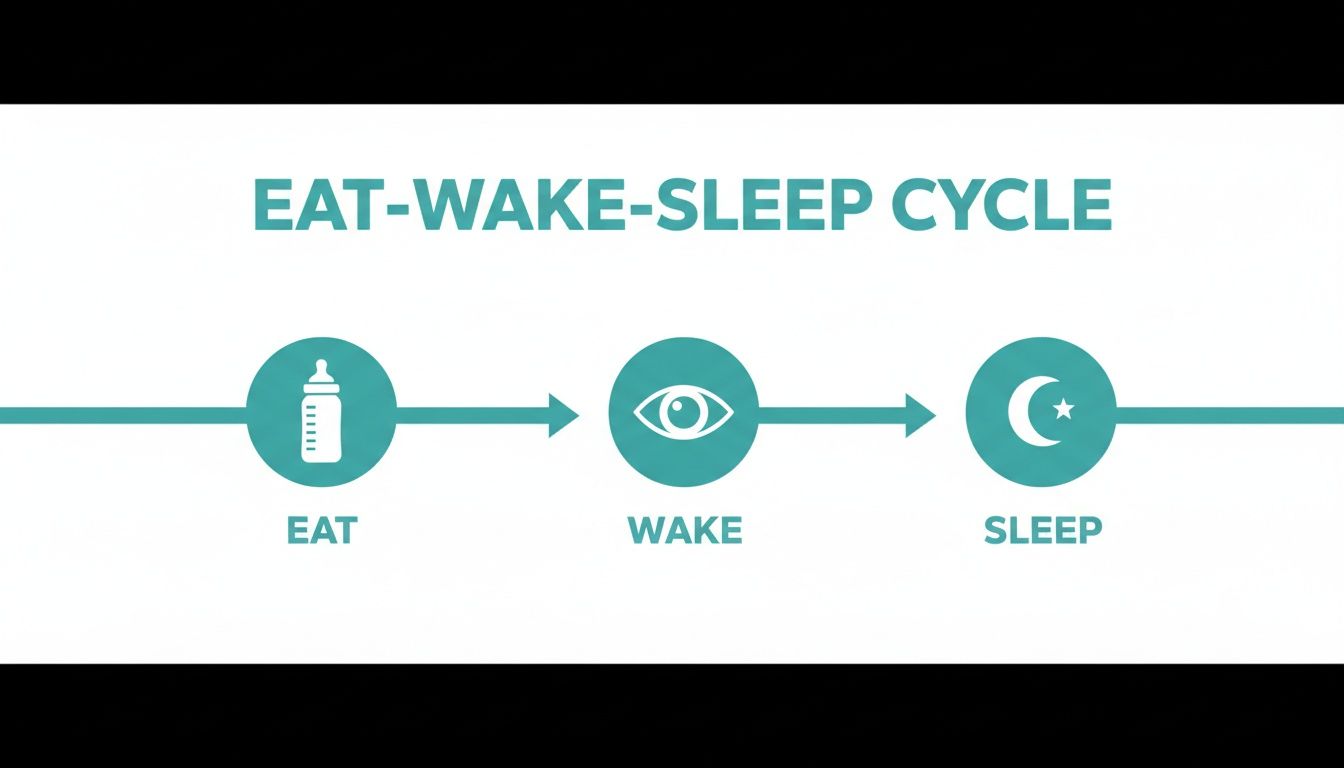
Starting each "wake" period with a feeding is a game-changer. It helps ensure your baby gets a full meal when they're most alert and prevents them from associating feeding with falling asleep—a habit that can be tricky to break later on.
The First Fortnight: 0 to 2 Weeks
Welcome to the beautiful, blurry whirlwind of newborn life! For the next couple of weeks, your world will revolve around the basics. Your baby’s only jobs are to eat, sleep, poop, and grow, and they take these responsibilities very seriously.
Expect your little one to sleep a ton—around 16 to 18 hours a day—but only in short, 2-3 hour chunks. The time they can comfortably stay awake, known as a wake window, is incredibly brief, lasting only 30 to 45 minutes. That's just enough time for a feeding, a diaper change, and a quick cuddle before they're ready to doze off again.
Feedings will be constant, happening every 2 to 3 hours, day and night. Yes, that means setting an alarm overnight! It's crucial to wake your baby for feeds during this period to help them get back to their birth weight and establish a healthy pattern of growth.
The Early Weeks: 2 to 6 Weeks
By now, you're likely starting to find your footing, and so is your baby. While you're still deep in the newborn phase, you might start noticing small but meaningful changes. Your little one may seem more alert during their brief awake periods, maybe even making eye contact or offering a fleeting social smile.
Wake windows are gradually stretching to about 45 to 60 minutes. This gives you a bit more time for gentle activities like tummy time on a play mat, looking at high-contrast books, or simply making funny faces. Sleep is still the main event, with most babies in this stage needing 15 to 17 hours per day.
You're still feeding on demand every 2 to 3 hours, but you might—might—get a slightly longer stretch of sleep at night. If you get a 4-hour block, celebrate it! This is also when evening cluster feeding often ramps up. It’s completely normal and helps boost your milk supply for the night ahead.
A Little Reassurance: If your day looks nothing like these samples, please don't stress. As long as your baby is content, eating well, and has plenty of wet and dirty diapers, you are doing an amazing job.
Settling In: 6 to 12 Weeks
Right around the six-week mark, things often start to feel a little more predictable. This is when many babies seem to "wake up" to the world, becoming much more engaged, smiley, and interactive.
You’ll notice wake windows extending to 60 to 90 minutes, allowing for more defined periods of play and connection. Total sleep starts to consolidate to around 14 to 16 hours a day, and naps might become a bit more consistent (though short "catnaps" are still very common). Understanding how these periods of alertness change is key, and you can learn more by exploring our detailed guide to wake windows by age.
Feeding schedules often stretch out slightly to every 3 to 4 hours. This happens because your baby is becoming a more efficient eater, and their tummy can hold more milk at each feeding. Nighttime sleep may also lengthen, with some babies managing a glorious 5 to 6-hour stretch at this stage.
Example 24-Hour Newborn Schedules by Age
These sample schedules provide a framework for a typical day at different newborn stages. Use them as a flexible guide, always prioritizing your baby's cues for hunger and sleep.
| Age Range | Typical 24-Hour Cycle | Key Focus & Tips |
|---|---|---|
| 0–2 Weeks |
Eat: Every 2-3 hours, around the clock. Wake: Only 30-45 minutes at a time. Sleep: 16-18 hours total, in short bursts. |
Survival & Growth. Focus on feeding on demand, even if it means waking a sleeping baby. Keep stimulation low. Your only goal is to meet their needs. |
| 2–6 Weeks |
Eat: Every 2-3 hours; cluster feeding in evenings is common. Wake: Stretching to 45-60 minutes. Sleep: 15-17 hours total. |
Finding a Rhythm. Start noticing sleepy cues. Introduce short, gentle activities like tummy time. You might get one longer (4-hour) sleep stretch at night. |
| 6–12 Weeks |
Eat: Every 3-4 hours as feedings become more efficient. Wake: Now 60-90 minutes. Sleep: 14-16 hours total; night sleep may lengthen. |
Predictability & Interaction. Naps may become more regular. Your baby is more social, so enjoy the smiles! A simple, consistent bedtime routine can be introduced now. |
Remember, these are just templates. A growth spurt, a fussy day, or just your baby's unique temperament can (and will) change things. The most important thing is to stay responsive and flexible. You've got this.
Creating a Safe and Restful Sleep Environment
A good routine is a game-changer, but it’s only one piece of the puzzle. The other, arguably more important piece, is creating a space where your newborn can sleep safely and soundly. While you're poring over a sample schedule for newborn sleep, remember that the environment itself is what truly helps your baby settle in and rest.

It’s all about striking that perfect balance between comfort and safety. Getting this right helps everyone rest easier, knowing your little one is in the safest setting possible.
The ABCs of Safe Sleep
When it comes to sleep safety, there’s no need to guess. The American Academy of Pediatrics (AAP) boiled it down to the essentials with the ABCs of Safe Sleep. If you take one thing away from this, let it be this.
- A is for ALONE: Your baby needs their own sleep space. No pillows, no loose blankets, no crib bumpers, and definitely no stuffed animals. Just your baby.
- B is for BACK: Every single time you put your baby down to sleep—naps and nighttime—place them on their back. It's the most effective thing you can do to lower the risk of SIDS.
- C is for CRIB: This means a crib, bassinet, or portable play yard that meets modern safety standards. The mattress must be firm and flat, covered with only a fitted sheet.
These guidelines aren't just suggestions; they are proven to drastically reduce the risks associated with infant sleep. A clear, empty crib is a safe crib. For a deeper dive, check out our complete guide to creating a safe sleep environment for infants.
Demystifying Newborn Sleep Cycles
Ever wonder why your newborn wakes up so often? It's not because you're doing something wrong. Their sleep cycles are incredibly short, lasting only about 45-50 minutes. They also spend way more time in that light, active stage of sleep (think REM sleep for adults).
This is a biological safety feature, not a bug. These frequent wake-ups are protective, and the constant need for feedings fuels their explosive growth. So when your baby is up for the third time before you’ve even thought about going to bed, take a deep breath and remember it’s all part of the master plan. It’s what they’re supposed to do.
Crafting a Simple Bedtime Routine
You can start a simple, calming bedtime routine from day one. It doesn’t need to be long or elaborate—consistency is the magic ingredient here. A predictable series of events cues your baby that sleep is on the horizon, helping them relax and wind down.
A great routine can be as simple as this:
- A warm, soothing bath.
- Gentle baby massage with a bit of lotion.
- A fresh diaper and cozy pajamas.
- One last feed in a dimly lit, quiet room.
- A soft lullaby or some reassuring words.
- A snug swaddle.
- Placing them in their crib while they’re drowsy but still awake.
Starting this early on builds a powerful foundation for healthy sleep habits that will last for years.
Naps On the Go and At Home
Consistency is just as important for naps. While it’s wonderful for your baby to nap in their crib, we all know life with a newborn doesn’t always stay within the four walls of your home.
This is where a safe, portable sleep space becomes a true lifesaver. It allows you to offer a familiar nap environment whether you’re in the living room, at grandma’s house, or away for the weekend. Your baby gets a consistent and safe spot to rest, making it much easier to stick to your schedule no matter where the day takes you.
And while you’re so focused on your baby's sleep surface, don't forget your own! Getting quality rest is critical for you, too. Thinking about selecting a supportive mattress for adults might be the last thing on your mind, but improving your own sleep quality can make a world of difference during this amazing (and exhausting) time.
Navigating Cluster Feeds and Growth Spurts
Just when you think you’re getting the hang of things, your newborn decides to rewrite the rules. One day, your loose schedule feels like a victory, and the next, your baby is latched on for what feels like hours on end.
If this sounds familiar, you've likely met cluster feeding and growth spurts. They’re two completely normal—but often exhausting—phases that can make any routine feel like a distant memory.
These periods are intense, but they don't last forever. More importantly, they serve a vital purpose in your baby's development. Knowing what’s happening can help you ride the wave instead of fighting against it.
What Is Cluster Feeding?
Cluster feeding is exactly what it sounds like: feedings that are “clustered” closely together. Instead of eating every few hours, your baby might want to nurse almost constantly for a stretch, especially in the late afternoon and evening.
It's so easy to mistake this for a sign that you aren't producing enough milk, but that's rarely the case. Think of it as your baby’s brilliant way of putting in their order for more milk. This constant stimulation tells your body to ramp up production, which is crucial for getting them through the night and fueling their next big leap in growth.
So, when your newborn decides your evening plans now involve a nursing marathon, remember to:
- Trust your body. You are not failing; your body is responding perfectly to your baby's needs.
- Get comfortable. Set up a cozy spot on the couch, grab the remote, and settle in. This is a great excuse to catch up on your favorite show.
- Stay hydrated and fed. Keep a giant water bottle and some easy-to-eat snacks within arm's reach.
This phase is tough, no doubt about it. But it's also a sign that your baby is a smart little human who knows exactly what to do to grow.
Surviving the Demands of Growth Spurts
Growth spurts are another common reason your schedule might suddenly go out the window. These are short, intense periods where your baby’s growth—in length, weight, and even head circumference—kicks into high gear.
During a growth spurt, your baby will be noticeably hungrier and often fussier. Their sleep can also get a bit chaotic. They might wake up more often at night or take shorter naps than usual. It’s not a setback; it’s a sign of incredible progress happening inside their tiny body.
You can often expect these developmental leaps around a few key milestones:
- 2 to 3 weeks
- 6 weeks
- 3 months
- 6 months
A Note From Experience: Growth spurts are temporary storms that usually only last for a few days. The best thing you can do is lean into it. Follow your baby’s cues, offer the breast or bottle as often as they ask, and give them plenty of extra cuddles. Your schedule can wait.
Practical Tips for Managing These Intense Phases
Knowing that cluster feeds and growth spurts are normal is one thing; actually getting through them is another. The goal isn't to force a schedule that isn’t working but to adapt and keep your sanity intact.
Here are a few strategies that I’ve seen make a huge difference for parents:
- Set up a "nursing nest." Find a comfy spot on the couch and surround yourself with everything you might need: your phone charger, a full water bottle, healthy snacks (like almonds or granola bars), the TV remote, and maybe a book or tablet.
- Lean on your partner. This is the perfect time for a partner to step in. They can bring you food and drinks, handle diaper changes, burp the baby, or just keep you company. If you’re feeling touched out, they can take the baby for a cuddle between feeds.
- Don't be a hero—rest. When the baby has been fussy all evening, it’s tempting to use their first stretch of sleep to catch up on chores. Don’t. Go to bed as soon as you can. A 20-minute nap during the day can also work wonders.
- Repeat this mantra: "This is just a phase." It can feel endless when you’re in the thick of it, but I promise, these intense periods will pass. Before you know it, you'll find your rhythm again.
Your Essential Newborn Routine Toolkit
Having a flexible newborn schedule is a great goal, but a few key items can make managing the day-to-day rhythm feel much less overwhelming. Think of this as your command center—a practical toolkit for decoding your baby's needs and bringing a little more ease into the beautiful chaos of early parenthood.

These resources aren't about forcing a rigid schedule; they're about helping you observe, learn, and respond with confidence.
Discover Your Baby’s Natural Patterns
One of the most powerful tools in your arsenal is a simple daily log. I know, it sounds like homework, but trust me on this. The goal isn't to force your baby into a box but to actually see the patterns they're already creating. Jotting down feeding times, nap lengths, and even their moods helps you visualize their unique rhythm.
You can use a simple notebook or a baby-tracking app. After just a few days, you’ll likely be surprised to see a gentle routine emerging all on its own. It becomes an invaluable guide for anticipating when they might be hungry or tired next.
Deciphering Your Newborn's Cues
Learning your baby's unique language is the cornerstone of responsive parenting. When you can meet their needs before they get distressed, it's a game-changer for everyone involved. Here's a quick reference guide to common hunger and tired cues to watch for.
| Cue Type | Early Signs (I'm getting there...) | Active Signs (I need it now!) | Late Signs (I'm really upset!) |
|---|---|---|---|
| Hunger | Licking lips, sucking on hands or fingers, opening and closing mouth. | Rooting (turning head to search for nipple), trying to position for nursing. | Frantic head movements, crying that quickly escalates. |
| Tired | A far-off or "zoned out" gaze, slight yawning, becoming quiet and still. | Rubbing eyes or ears, big yawns, fussing or showing disinterest in play. | Arching back, hysterical crying that is difficult to soothe. |
Watching for those "early" signs is your secret weapon for a calmer, happier baby. It lets you step in before things escalate.
Key Takeaway: Crying is a late sign of both hunger and tiredness. By learning to spot the subtle, earlier cues, you can often prevent meltdowns before they even start, making your days significantly smoother.
Must-Have Items for a Smoother Routine
While you don't need a mountain of baby gear, a few thoughtfully chosen items can make a huge difference in how your days flow. These are the things that solve common problems and help you feel more prepared.
Here are a few essentials that really support a flexible routine:
- A Well-Stocked Nursery Organizer: When you're doing a dozen diaper changes a day (and night!), having diapers, wipes, and cream within arm's reach is non-negotiable. An organizer keeps everything tidy and accessible for those quick changes between naps.
- A Portable Booster Seat: Feedings don't always happen neatly at home. A lightweight, portable booster seat makes it easy to feed your baby safely and comfortably, whether you're at a friend's house or a café. This consistency helps maintain your feeding routine no matter where you are.
- A Comfortable Baby Carrier: Let's be real—sometimes, the only way to get anything done is to be hands-free. A good carrier can soothe a fussy baby while allowing you to make a snack or tend to an older child, all without disrupting nap time.
These tools are all about simplifying tasks and reducing friction in your day. Being prepared means you can spend less time scrambling and more time soaking in those precious newborn moments.
Common Questions About Newborn Schedules
Even with the best-laid plans and a perfect-looking sample schedule, you're going to have questions.That’s just the reality of life with a newborn! It’s a constant process of learning and adjusting, and it's totally normal to feel like you're making it up as you go. Let's walk through some of the most common hurdles parents face during these first few months.
Should I Wake My Newborn to Eat?
In those first couple of weeks? Absolutely, yes. If it's been more than 3-4 hours, you'll want to gently wake your baby for a feeding. Newborns are incredibly sleepy little beings, and they need to eat frequently—we're talking 8-12 times in a 24-hour period—to get back to their birth weight and stay properly hydrated.
The good news is that this phase doesn't last forever. Once your pediatrician gives you the thumbs-up that your baby's weight gain is on a solid track, they'll likely give you the green light to let them sleep for longer stretches at night. Trust me, it’s a milestone every new parent celebrates!
When Do Babies Start Sleeping Through the Night?
Let’s redefine "sleeping through the night" for a newborn. If you're imagining a full eight hours, you might want to adjust your expectations. In these early months, a victory is a solid 5 to 6-hour stretch of uninterrupted sleep. That’s a huge win!
Most babies just aren't developmentally ready to sleep much longer than that until they hit the 4-6 month mark. Their sleep cycles are short and their tummies are tiny, so waking up is biologically normal and necessary. If their sleep patterns suddenly go haywire, it could even be an early sign of a sleep regression. You can learn more about what to expect in our detailed sleep regression timeline.
How Do I Manage a Newborn Schedule with a Toddler?
Juggling a newborn and a toddler can feel like an Olympic sport. My number one tip? A baby carrier or sling will be your absolute best friend. It keeps your newborn feeling snug and secure while leaving your hands free to build block towers or grab snacks for your older child.
Try to align your newborn’s nap with your toddler's quiet time, though don't stress if it doesn't always sync up perfectly. Another game-changer can be creating a “special activity box” for your toddler that only comes out while you're feeding the baby. It keeps them occupied and feeling special. Most importantly, give yourself a massive amount of grace. Some days will be pure chaos, and that is 100% okay.
Why Does My Baby Fight Sleep?
It sounds counterintuitive, but the most common reason a baby fights sleep is that they're already overtired. A newborn’s wake window—the time they can happily be awake between naps—is incredibly short, often just 45-60 minutes. If you miss that sweet spot, their little bodies get a jolt of stress hormones like cortisol, which makes it so much harder for them to relax and drift off.
The key is to watch for their earliest sleepy cues. It might be a far-off, glazed-over look in their eyes or that first tiny yawn. The moment you spot it, start your calming nap routine. A tight swaddle and some white noise can also work wonders for an overstimulated baby who just can't seem to switch off.
Remember, the goal isn't a perfect schedule, but a happy and healthy baby—and a parent who feels confident and supported. You're learning a new dance with a brand-new partner, and it takes time to find your rhythm. Be kind to yourself, trust your instincts, and know that you are doing an incredible job.
What has been the most surprising thing about your newborn’s schedule (or lack thereof)? Share your experiences in the comments below—we can all learn from each other!
At Hiccapop, we create products designed to bring a little more ease to your parenting journey. From nursery organizers that put everything you need within arm's reach to portable booster seats for life on the go, our goal is to help you feel confident and prepared for every stage. Explore our thoughtfully created solutions at Hiccapop.
Related Products
-
![Child sleeping safely in a bed with a white foam Hiccapop bumper installed securely under a gray fitted sheet.]()

- Regular price
- $34.99 - $59.99
- Sale price
- $34.99
- Regular price
-
$39.99 - Unit price
- per
Sold out -
![Grey mesh playard (TravelPod) with a sleeping baby inside, shown next to its compact grey travel bag/backpack.]()

- Regular price
- $144.99
- Sale price
- $144.99
- Regular price
-
$199.99 - Unit price
- per
Sold out


Related Products
-
![Child sleeping safely in a bed with a white foam Hiccapop bumper installed securely under a gray fitted sheet.]()
- Regular price
- $34.99 - $59.99
- Sale price
- $34.99
- Regular price
-
$39.99 - Unit price
- per
Sold out -
![Grey mesh playard (TravelPod) with a sleeping baby inside, shown next to its compact grey travel bag/backpack.]()
- Regular price
- $144.99
- Sale price
- $144.99
- Regular price
-
$199.99 - Unit price
- per
Sold out