


Your Ultimate Guide to the Best Baby Travel Products
Let's be honest: the best baby travel products are the ones that don't make you feel like you're hauling a small army's worth of equipment. You want gear that's lightweight, multi-functional, and ridiculously easy to pack. A compact stroller, a portable crib, and a great baby carrier can single-handedly turn a stressful trip into a genuine family adventure.
This guide will help you choose gear that makes any journey—whether it's a quick weekend getaway or a cross-country flight—not just doable, but actually enjoyable.
Making Family Adventures Simple
Anyone who's traveled with a baby knows the feeling. The sheer volume of stuff can be completely overwhelming, making the logistics of the trip overshadow the excitement. But it really doesn’t have to be that way. The right gear can be a total game-changer, turning what could be chaos into a collection of happy memories.
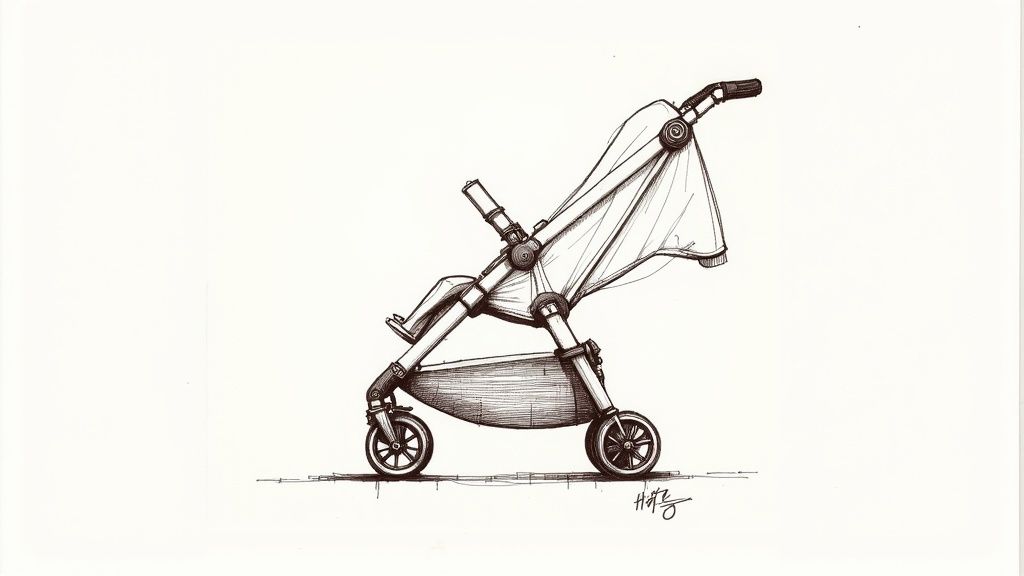
Think of this as your strategy guide for building a smart, efficient travel kit for your little one. We're not just listing random products; we're helping you figure out what you actually need for smooth, happy travels.
Why The Right Gear Matters
Picking the best baby travel products isn’t about splurging on the most expensive or flashiest items you see on Instagram. It’s about finding smart solutions to the real problems you face on the road.
Imagine trying to fold a complicated stroller with one hand while holding a fussy baby in a crowded airport queue. Now imagine one that collapses with a single click. That's not a luxury; it's a lifesaver. A portable blackout blind that guarantees a solid nap in a bright hotel room? That can rescue an entire day.
The goal is to feel prepared, not overloaded. Every item in your travel kit should serve a clear purpose, making your journey smoother, safer, and more enjoyable for everyone.
It's all about being strategic. Instead of overpacking for every single "what if" scenario, you'll learn to focus on the essentials that cover your baby's core needs: getting around, sleeping, eating, and staying clean. Once you understand these pillars, you can confidently choose products that give you the most bang for your buck without weighing you down.
A Growing Market for Traveling Families
If you're on the hunt for better gear, you're in good company. The global baby products market, which covers everything from strollers to carriers, was valued at around USD 320.65 billion in 2023 and is projected to keep growing.
All that growth means a ton of innovation and options for parents, but it can also feel like a tidal wave of choices. This guide is here to help you navigate it all. For more great resources and general advice on traveling with kids, there's plenty of information out there to make any trip a breeze.
Now, let's dive in and build your perfect baby travel setup.
The Four Pillars of Baby Travel Gear
Feeling buried under an avalanche of product options? Let's cut through the noise. Instead of getting lost in a sea of brands and gadgets, it helps to start with your baby’s most basic needs on the road. From my experience, every successful travel setup is built on four fundamental pillars: Transport, Sleep, Feeding, and Health & Hygiene.
Think of these pillars as your master checklist. By focusing on one category at a time, you can build your travel kit piece by piece, making sure you have every essential covered without the overwhelm. It’s a simple way to filter out the marketing fluff and zero in on the gear that will genuinely make your trip smoother.
Pillar 1: Transport
This is all about getting from Point A to Point B with your little one safely and comfortably. We’re talking about the big-ticket items that become the workhorses of any family trip. The goal here is to make movement as seamless as possible, whether you're navigating a chaotic airport, exploring a new city on foot, or hitting the open road for a family adventure.
Key items in this category include:
- A Travel Stroller: Look for one that's lightweight, folds down compactly (some are brilliant and fit in an airplane's overhead bin!), and is a dream to maneuver.
- A Travel Car Seat: Safety is absolutely non-negotiable. A dedicated travel car seat is often much lighter than your everyday model, which you'll be thankful for when hauling it through an airport.
- A Baby Carrier: This is a travel superstar. A good carrier frees up your hands for luggage, tickets, and that much-needed coffee, all while keeping your baby snug and secure against you.
When you're choosing transport gear, focus on real-world practicality. Can you fold that stroller with one hand while holding a fussy baby? Is the car seat FAA-approved for flights? Is the carrier comfortable enough for you to wear for a few hours? These are the questions that truly matter on the go.
Pillar 2: Sleep
A well-rested baby is a happy traveler, which, let's be honest, means a happy you. This pillar is all about creating a cozy, familiar, and safe sleep environment, no matter where you lay your heads. Replicating the comfort of home can make a massive difference in helping your baby adjust to new surroundings and stick to their routine.
A consistent sleep routine is often the secret ingredient to a successful family vacation. The right gear helps you create that consistency anywhere in the world.
Essential sleep gear often includes:
- A Portable Travel Crib: A lightweight, easy-to-assemble travel crib gives your baby their own familiar space to sleep. It becomes their little home away from home.
- Portable Blackout Blinds: Hotel rooms and vacation rentals are notoriously bright. These can be an absolute nap-saver.
- A White Noise Machine: Drown out unfamiliar hotel sounds or loud street noise with a compact, portable sound machine. It's a game-changer.
The key is to create a sleep "bubble" that feels like home. It’s the signal your baby needs to understand it’s time to rest, even when they're in a new and exciting place.
Pillar 3: Feeding
Keeping your baby fed and happy on the move requires a bit of planning, but the right gear makes it surprisingly simple. This pillar covers everything you need for mess-free, stress-free mealtimes, whether you're breastfeeding, formula-feeding, or have a little one enjoying solids.
The infographic below highlights the simple but crucial criteria to consider for any piece of gear: weight, portability, and durability.
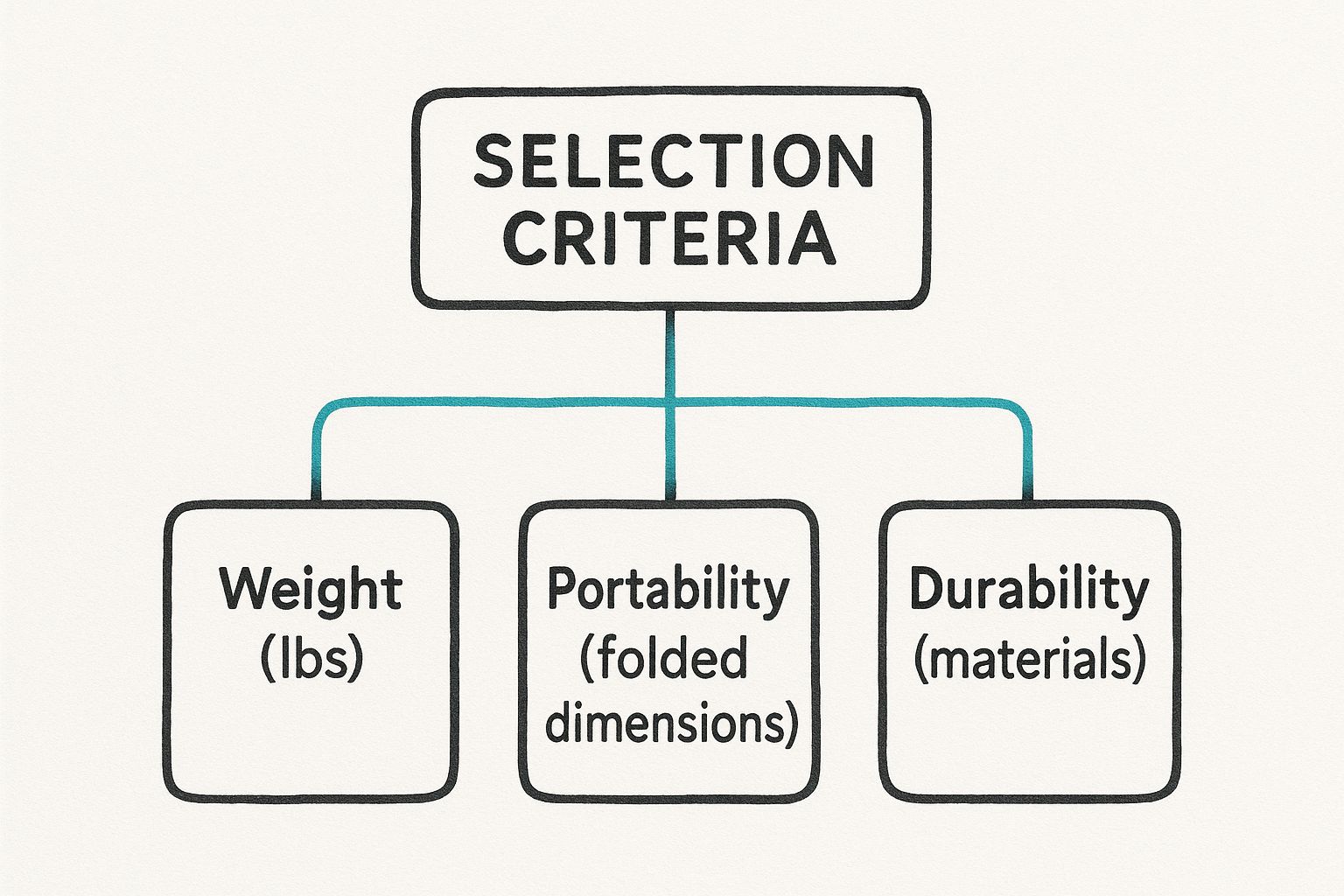
This hierarchy is a great reminder that the best travel products are light enough to carry, compact enough to pack, and tough enough to survive the trip.
Pillar 4: Health and Hygiene
Finally, this pillar covers all the little things that keep your baby clean, comfortable, and healthy. From diaper changes in less-than-ideal locations to handling minor sniffles, being prepared for the small stuff prevents it from becoming a big problem.
Your health and hygiene kit should include:
- A Portable Changing Mat: Lets you create a clean surface for diaper changes just about anywhere.
- A Well-Stocked Diaper Bag: Think beyond just diapers and wipes. I always pack hand sanitizer, diaper cream, and a few wet bags for soiled clothes.
- A Mini First-Aid Kit: Be sure to include a thermometer, baby Tylenol or ibuprofen, bandages, and any prescription medications your baby needs.
To help you visualize how this all comes together, here's a quick-reference checklist.
Your Essential Baby Travel Gear Checklist
This simple table breaks down the four core categories and lists the must-have items for each, giving you a clear starting point for your packing list.
| Category | Core Purpose | Example Essentials |
|---|---|---|
| Transport | Moving safely and easily from one place to another. | Travel stroller, travel car seat, baby carrier/sling. |
| Sleep | Creating a familiar and safe sleep environment on the go. | Portable travel crib, blackout blinds, white noise machine. |
| Feeding | Making mealtimes simple, clean, and stress-free. | Portable high chair, insulated bottle bag, travel utensils. |
| Health & Hygiene | Handling diaper changes, clean-ups, and minor ailments. | Diaper bag, portable changing mat, mini first-aid kit. |
By thoughtfully addressing these four pillars, you can build a travel kit that's both comprehensive and manageable. You’ll head out the door feeling confident and prepared, freeing you up to focus on what really matters—making incredible memories with your family.
Navigating Strollers and Travel Systems
Picking a stroller feels like a monumental decision for new parents, and honestly, it is. This is your baby’s ride, your mobile command center, and your go-to piece of gear for exploring the world. The secret is to tune out the flashy ads and zero in on what your family actually needs for your travel style.
Just picture it: you're trying to wrestle a massive, complicated stroller through a busy airport terminal. It’s a nightmare. Now, imagine a stroller that collapses with one hand, leaving the other free for your baby. That’s the kind of smart, real-world design that makes all the difference.
Let's break down the main options to help you find that perfect fit.
The Main Types of Strollers
Not every stroller is cut out for travel. Each style is built for a specific job, so getting to know the categories is your first step toward making a smart choice.
- Umbrella Strollers: These are the featherweights of the stroller world. They’re incredibly light and fold down into a long, skinny shape, just like an umbrella. They’re your best friend for quick errands, busy airports, and zipping through crowded city streets.
- Full-Sized Strollers: Think of these as the fully-loaded workhorses. They’re built for comfort, often boasting big sun canopies, roomy storage baskets, and a much smoother ride. While they are heavier, they’re fantastic for long days out where your baby’s comfort is the top priority.
- Jogging Strollers: Designed for active families, these strollers usually have three big, air-filled tires and top-notch suspension. They glide over bumpy trails and uneven sidewalks, making them perfect for parents who don't want to skip their morning run just because they're on vacation.
Your choice really comes down to where you're going. A nimble umbrella stroller is a no-brainer for a weekend in New York City, but a sturdy full-sized model might be the better bet for a week at a theme park.
Understanding Travel Systems
You’re going to hear the term "travel system" a lot. This isn't just a stroller—it's a complete package that includes an infant car seat that's designed to click directly onto a compatible stroller frame.
The ability to move a sleeping baby from the car to the stroller without ever unbuckling them is, and I'm not exaggerating, a travel superpower. It can save a nap, which in turn, can save your entire afternoon.
This convenience is a game-changer for road trips or any journey with lots of car time. It streamlines everything and helps keep your baby’s precious sleep schedule intact. If you want to dive deeper, we break it all down in our guide on how car seat stroller systems work.
Key Features for Traveling Parents
The stroller market is huge and always growing. In fact, it was valued at around USD 3.2 billion in 2023 and is projected to hit USD 4.2 billion by 2030. That growth is all about parents wanting smarter, more compact, and multifunctional designs for their on-the-go lives.
With all those options, it's easy to get overwhelmed. Here are the non-negotiable features you should look for in a great travel stroller:
- One-Hand Fold: This is a must. You will always be holding a baby, a bag, or a coffee. A stroller that needs two free hands to collapse is a non-starter for travel.
- Weight and Folded Size: Always check the specs. A lighter stroller is a blessing when you’re hauling it up stairs or lifting it into a rental car. A compact fold is crucial for flying, and some can even fit in the overhead bin.
- Canopy Coverage: A huge, extendable canopy with UPF protection is your baby’s personal shield against sun, wind, and light rain. It also creates a cozy little cocoon for napping on the go.
- Storage Basket Size: You will have stuff. Lots of it. A decent-sized, easy-to-reach storage basket is a lifesaver for stashing diaper bags, snacks, and all those souvenirs you swore you wouldn't buy.
- Maneuverability: Look for wheels that glide and swivel effortlessly. You’ll be thankful for it when you're weaving through crowded sidewalks or tight gift shop aisles.
Focusing on these practical features will help you pick a stroller that doesn't just look great, but actually makes your family adventures easier and a whole lot more fun.
Choosing the Right Baby Carrier for Your Trip
Of all the travel gear you can get for your baby, a great carrier might just be the single most valuable player. It gives you two things every traveling parent dreams of: free hands for juggling passports and luggage, and a happy, snuggled-in baby who feels safe and sound in a strange new place.
But let’s be honest, diving into the world of baby carriers can feel overwhelming. You’ve got wraps, slings, and structured carriers, and they all promise to be the best. The secret isn't finding the one "perfect" carrier, but the one that’s a perfect match for your body, your baby, and your specific trip.
Let’s break down the main types so you can pick a winner.
Carrier Types Decoded
Think of it like choosing a coat—what you need for a breezy spring day is very different from what you need for a long winter hike. Each carrier style offers a totally different feel and function.
- Wraps: These are basically long, soft pieces of stretchy fabric you tie around yourself. They create a custom-fit hug that’s incredible for newborns and tiny infants, keeping them super close and content.
- Slings: A sling is typically one piece of fabric that loops over a single shoulder. They're a breeze to get on and off, making them perfect for quick errands or for babies who want to be up and down constantly. They’re also fantastic for carrying older babies on your hip so they can see the world.
- Soft-Structured Carriers (SSCs): There's a reason these are the go-to for most traveling families. With padded shoulder straps and a buckled waistband, they’re like a high-tech, ergonomic backpack for your baby. They're easy to use, incredibly versatile, and provide fantastic support for both you and your little one, even after hours of walking.
It’s no surprise that the demand for these lifesavers is booming. The global baby carrier market trends show that parents are looking for ergonomic and comfortable options, with the market projected to grow significantly. This trend also reveals a strong preference for natural, breathable materials—cotton alone makes up a massive portion of the market, which is great news for keeping baby comfortable.
Safety First: Healthy Hips and Clear Airways
Beyond sheer convenience, your number one priority has to be safety. A proper fit doesn’t just keep your baby secure; it supports their healthy physical development. This is where a couple of non-negotiable rules come into play.
A simple but critical guideline is to keep your baby "Visible and Kissable." This means they should be high enough on your chest that you can easily lean down to kiss the top of their head. You should also always be able to see their face to make sure their breathing is unobstructed.
This one little rule helps you avoid the biggest risk: your baby slumping into a position where their airway could be blocked. Always check that their chin is off their chest, leaving at least a finger’s width of space.
Finding the Perfect 'M' Position
Another vital safety check is all about the hips. The International Hip Dysplasia Institute champions the "M-position" (also called the "froggy" position) for healthy hip development.
This means your baby's bottom should sit lower than their knees, with their legs spread comfortably around your torso. When you look at them, their legs and bottom should form a clear "M" shape. This squat-like posture supports their hips and spine, preventing the kind of strain that can happen when legs are left dangling straight down. Thankfully, most reputable structured carriers are now designed specifically to promote this healthy position.
Matching Your Carrier to Your Destination
The best gear is the gear that actually fits your plans. That cozy wrap that’s perfect for a calm flight might be a nightmare in a hot, humid climate. You need to think about where you're going.
Consider these scenarios:
- Warm Climates: Look for carriers made with lightweight mesh fabrics. They allow for much better airflow, which will keep both you and your baby from turning into a sweaty mess while you're out exploring.
- City Sightseeing: A soft-structured carrier is your best friend here. It distributes your baby’s weight evenly across your hips and shoulders, making it comfortable enough to wear for hours while navigating museums or bumpy cobblestone streets.
- Active Adventures: If you’re planning on some light hiking, you’ll want a structured carrier with excellent lumbar support and durable fabric. It will give you the stability and comfort you need for more rugged terrain.
By thinking about the kind of trip you're taking, you can choose a carrier that genuinely makes your journey easier. You'll keep your baby safe and happy, leaving you free to focus on making those incredible memories together.
Creating a Familiar Sleep Space Anywhere
Let's be honest: a well-rested baby can single-handedly make or break a family trip. When their sleep schedule gets thrown off, everything just feels a hundred times harder. That's why one of the best things you can do is recreate the comfort and routine of their home sleep environment, no matter where you are.
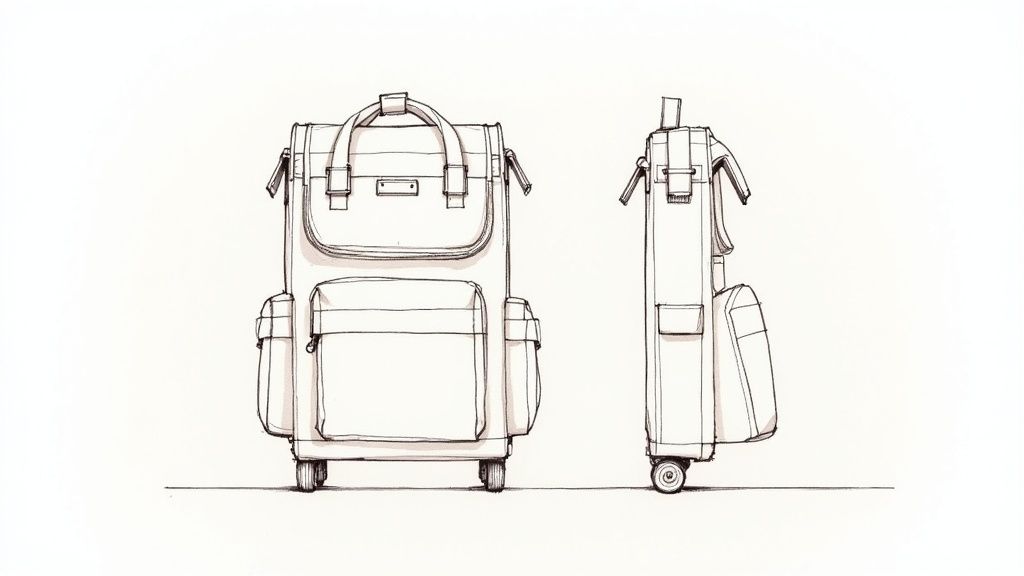
This isn’t about packing up the entire nursery. It’s about being strategic with a few key pieces of gear that signal to your baby that it’s time to wind down, even in a new and exciting place.
The Foundation: A Great Travel Crib
Sure, many hotels offer cribs, but you never really know what you’re going to get. Bringing your own portable travel crib is the only way to guarantee a safe, clean, and familiar space for your little one. Think of it as their own personal home-away-from-home, which can make a huge difference in how quickly they settle down.
When you're picking a portable sleep solution, the features that really matter on the road are pretty straightforward:
- Weight and Folded Size: You're going to be lugging this thing around, so every ounce counts. Look for something that folds up nice and small to easily fit in your trunk or even a suitcase.
- Ease of Assembly: The absolute last thing you want after a long day of travel is to fight with a complicated setup manual. The best travel cribs pop open in seconds, not minutes.
- Safety and Breathability: This is non-negotiable. Make sure it has mesh sides for proper airflow and meets all current safety standards.
A dedicated travel crib isn’t just about convenience; it’s about consistency. That familiar scent and feel can be incredibly reassuring for a baby in an unfamiliar environment.
If you want to dig into the nitty-gritty of different models, we’ve put together a detailed guide on choosing the best portable baby bed for travel to help you find the perfect one for your family.
Game-Changing Sleep Accessories
Beyond the crib, a few smart accessories can turn any bright, noisy hotel room into a peaceful little sleep cave. These are the items that experienced traveling parents swear by because they solve the most common sleep disruptors on the road.
Think of these as your sleep support crew. They work together to block out distractions and reinforce the sleep cues your baby already knows, helping them fall asleep faster and stay asleep longer.
Taming Light and Sound
Two of the biggest sleep saboteurs on vacation are unexpected light and noise. A hotel room with flimsy curtains or a rental on a busy street can wreck naptime in a hurry.
Here are the absolute must-haves to fight back:
- Portable Blackout Shades: These are a total game-changer. They use suction cups or static cling to stick to any window, instantly creating the dark room your baby is used to. They can truly save a nap.
- A Compact White Noise Machine: A portable sound machine is essential for masking all those weird new noises, from people talking in the hallway to sirens outside. It creates a consistent hum that signals it’s time to sleep.
By packing these simple but powerful tools, you’re not just packing gear—you’re packing good sleep. You're giving your baby (and yourself) the gift of rest, which is the real foundation for any happy and memorable family adventure.
Smart Packing and Organization Strategies
Let’s be honest, a great family trip rarely starts with tossing things into a suitcase and hoping for the best. A little planning goes a long way, and a solid packing system can be the difference between a chaotic scramble and a smooth, confident adventure. You’ll feel less like you're hauling the entire nursery and more like a prepared parent ready for anything.
The secret? The ‘diaper bag hub’ method. Think of your diaper bag as your mission control center, holding everything you need for immediate access while you're on the move. Everything else gets neatly organized into modules in your main luggage using packing cubes.
The Diaper Bag Hub
Your diaper bag is your command center on the go, so the style you choose really matters. A backpack diaper bag is a lifesaver for navigating airports because it keeps your hands completely free. For city trips, though, a stylish tote or messenger bag might work better, giving you quick access to your wallet and phone.
No matter which style you pick, it’s what’s inside that counts. Your hub should always contain:
- A full day's supply of diapers and a pack of wipes.
- A portable changing mat.
- At least one spare outfit for the baby (and trust me, a clean shirt for yourself is a good idea too!).
- Snacks, bottles, and any other feeding supplies to get you through the journey.
- A few small, quiet toys to keep them entertained.
The Module Method for Luggage
When it comes to your main suitcase, the ‘module’ approach is a game-changer. Forget about digging through a jumbled mess of clothes and gear. Packing cubes let you create organized little bundles for every need. If you're looking for more ways to make travel easier on everyone, this guide to expert packing strategies for international travel has some fantastic ideas.
I like to create dedicated modules for specific categories:
- Outfit Cubes: Pro tip: roll, don’t fold. I pre-plan daily outfits and roll them up together in one cube.
- Feeding Cube: This is where I stash bibs, travel utensils, and those handy silicone placemats.
- Sleep Cube: All the bedtime essentials, like sleep sacks and that one special lovey, go in here together.
- Medical Cube: This is a non-negotiable. It holds our thermometer, baby Tylenol, bandages, and other first-aid supplies.
This system means you can just grab one small cube when you need something, instead of tearing apart your entire suitcase to find a single pair of socks. It's such a simple change, but it makes a massive difference.
Unsung Heroes of Baby Travel
Finally, some of the most brilliant travel items aren't fancy gadgets—they're just clever hacks I’ve picked up along the way. A small roll of duct tape is amazing for quick baby-proofing, like covering outlets or taping down loose cords. I also never leave home without a few extra resealable plastic bags; they're perfect for sealing away soiled clothes, organizing snacks, or protecting a phone from a sudden downpour.
For a complete checklist of all the must-haves, our family vacation packing list will make sure you don't forget a thing.
Final Thoughts: Happy Travels Start with Smart Gear
Traveling with a baby doesn't have to be a logistical nightmare. By focusing on the four pillars—Transport, Sleep, Feeding, and Hygiene—you can build a travel kit that’s both comprehensive and wonderfully light. The right gear frees you from stress, allowing you to focus on what truly matters: making incredible memories with your family.
Remember, the goal is to feel prepared, not overloaded. A lightweight stroller, a hands-free carrier, and a familiar sleep setup are the real MVPs of family travel. They're not just products; they're your ticket to a smoother, happier, and more adventurous journey with your little one.
What’s the one piece of baby travel gear you absolutely can't live without? Share your must-haves in the comments below—we’d love to hear what works for your family!
At Hiccapop, our mission is to make the wild ride of parenting a little bit easier with smart, high-quality products. You can check out our full lineup of travel gear, designed for both safety and sanity, at https://hiccapop.com.