


The Ultimate Family Road Trip Packing List for 2025
The open road calls, sparking images of adventure, singalongs, and unforgettable family memories. But for parents, the reality can quickly dissolve into a chorus of "Are we there yet?" mixed with the scent of stale goldfish crackers if you're not prepared. A successful journey isn’t just about the destination; it's about a smooth, comfortable, and well-equipped ride. That's where a truly comprehensive family road trip packing list becomes your most valuable tool, turning potential chaos into well-managed fun.
This is more than just a list; it's a strategic plan. We're moving beyond the obvious and diving deep into an exhaustive, category-by-category checklist that covers every ‘what if’ scenario, from vehicle emergencies to toddler meltdowns. We will explore the must-haves that seasoned traveling families swear by, ensuring you pack smarter, not harder.
Forget the stress of last-minute scrambling or the dreaded realization that you left a crucial item on the kitchen counter. This guide provides a clear roadmap to a peaceful, memory-making adventure where you can focus on the joy of the journey, not what you forgot to pack. We'll cover everything from the ultimate first aid kit and essential roadside safety gear to sanity-saving entertainment and comfort solutions for little ones. By the end, you'll have a complete blueprint for a meticulously organized vehicle, a happy crew, and a truly stress-free family vacation. Let's get packing.
1. First Aid Kit
A well-stocked first aid kit is one of the most critical items on any family road trip packing list. It’s not just about having a few bandages; it’s about being prepared for the scrapes, stings, and unexpected fevers that can happen miles away from the nearest pharmacy. Having immediate access to medical supplies provides peace of mind and allows you to handle minor issues quickly, preventing them from derailing your adventure.
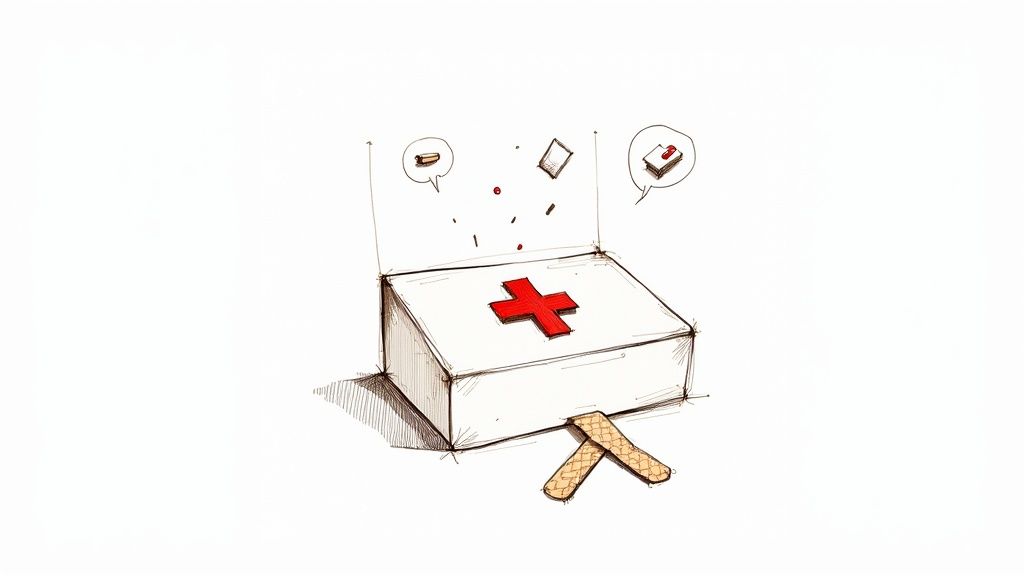
While pre-made kits from brands like Adventure Medical Kits or the American Red Cross are excellent starting points, the best approach for a family is a customized one. Start with a comprehensive base kit and then add items specific to your family's needs, such as children's versions of pain and fever reducers (acetaminophen or ibuprofen), any necessary allergy medications like an EpiPen, and prescription medications.
Actionable Tips for Your Travel Kit
To ensure your kit is truly road-ready, consider these practical steps:
- Accessibility is Key: Store your first aid kit in an easy-to-reach location, like under a front seat or in a side door pocket, not buried under luggage in the trunk.
- Biannual Check-Up: Set a reminder on your phone to check expiration dates on all medications and supplies every six months. Replace anything that is expired or running low.
- Essential Paperwork: Include a laminated card with emergency contacts, your pediatrician's phone number, and copies of your insurance cards and prescriptions. This is invaluable if you need to visit an unfamiliar clinic or pharmacy.
- Beyond the Basics: Supplement your kit with items relevant to your destination. This could mean adding sunscreen and insect repellent for a summer trip, hydrocortisone cream for bug bites, or even motion sickness bands for winding roads.
2. Cooler with Ice Packs
A high-quality cooler is an indispensable tool on any family road trip packing list. It goes beyond simply keeping drinks cold; it's a mobile pantry that ensures food safety, provides access to healthy snacks on demand, and dramatically cuts down on expenses by minimizing the need for costly and often unhealthy restaurant meals. Having fresh fruit, yogurt, sandwiches, and drinks readily available prevents hunger-related meltdowns and keeps your family fueled for the adventure ahead.
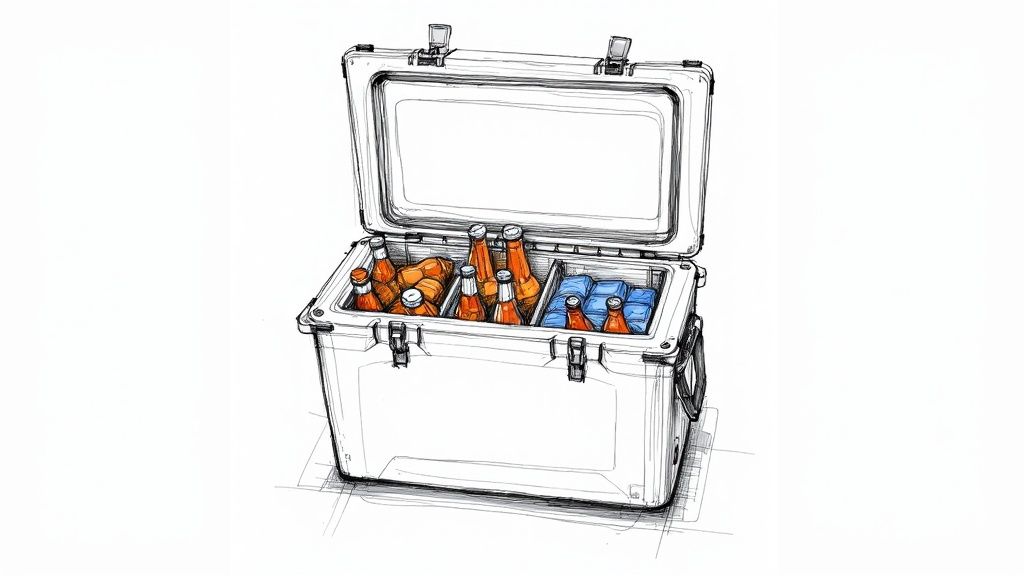
The market offers a wide range of options, from premium brands like YETI, known for multi-day ice retention on cross-country treks, to budget-friendly workhorses from Coleman and Igloo that are perfect for weekend getaways. The key is choosing a cooler that fits your vehicle space, trip duration, and family size. Investing in a good one means you can pack perishables with confidence and maintain a healthy eating routine even when you’re hundreds of miles from home.
Actionable Tips for Your Travel Cooler
To maximize your cooler’s efficiency and keep your food fresh, follow these practical strategies:
- Pre-Chill Everything: The night before you leave, bring your cooler inside and fill it with sacrificial ice or frozen packs. This lowers its internal temperature, meaning your fresh ice will last significantly longer. Also, only pack items that are already cold from your refrigerator.
- The 2:1 Ratio Rule: For optimal performance, aim for a ratio of two parts ice to one part food and drinks. Freeze water bottles or juice boxes to act as solid ice blocks that won't create a watery mess as they thaw and can be consumed later.
- Strategic Packing: Pack items in reverse order of use, placing things you’ll need last (like dinner ingredients) at the bottom. Keep frequently accessed snacks and drinks near the top or, better yet, use a separate, smaller cooler for beverages to avoid constantly opening the main food cooler.
- Minimize Air Space: Empty space is the enemy of cold. Fill any gaps with extra ice, frozen water bottles, or even a towel to reduce air circulation and help everything stay chilled for longer.
3. Entertainment System for Kids
A well-planned entertainment system is an indispensable part of any family road trip packing list, transforming long, monotonous hours in the car into an engaging and peaceful experience. This isn't just about handing over a tablet; it's a curated collection of activities designed to prevent boredom, minimize sibling squabbles, and keep young minds occupied. Having a variety of screen-based and screen-free options ensures you can adapt to your child's mood and energy levels, making the journey itself a fun part of the vacation.
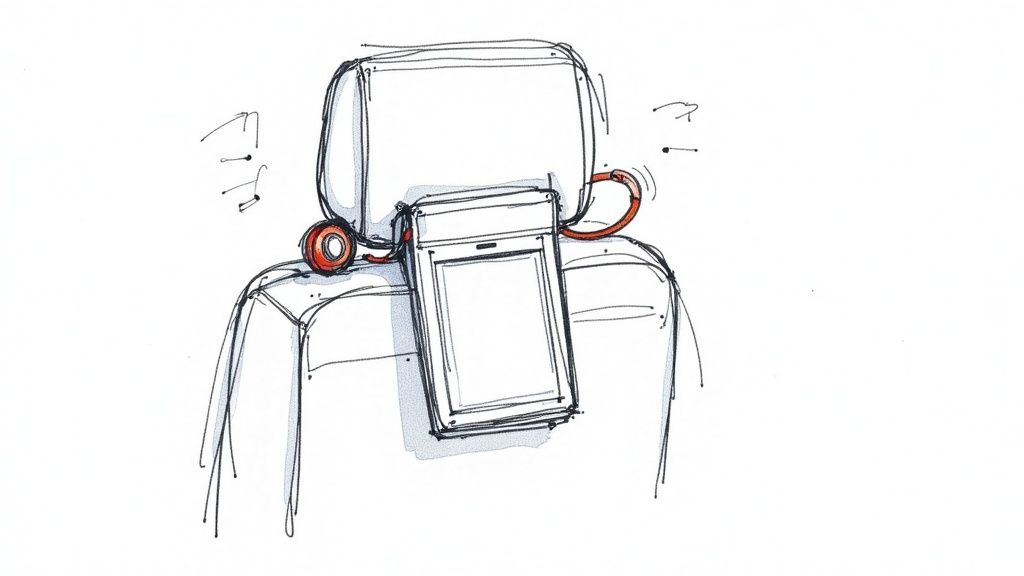
A successful strategy involves a mix of modern technology and classic pastimes. Devices like an Amazon Fire Kids tablet or Nintendo Switch are fantastic for movies and games, while audiobooks from Audible or family-curated Spotify playlists can provide shared listening experiences. Complement these with hands-on activities like KiwiCo travel kits, Melissa & Doug Water Wow! pads, or simple coloring books to provide a necessary break from screens. For more great ideas, explore these tips for surviving a road trip with a toddler.
Actionable Tips for Your Travel Kit
To keep your entertainment strategy effective from the first mile to the last, consider these practical steps:
- Pre-Load Everything: Download all movies, shows, audiobooks, and games before you leave home. Never rely on spotty roadside Wi-Fi or cellular data for entertainment access.
- Implement an Activity Rotation: To prevent burnout on any single activity, introduce something new every 1-2 hours. Keep a bag of options nearby and let kids choose their next "station."
- Charge Up and Bring Backups: Fully charge every device the night before departure. Pack car chargers and a portable power bank to ensure you never run out of juice mid-trip.
- Pack Surprise "Boredom Busters": Keep a small bag of new, inexpensive toys or activity books hidden away. When a meltdown seems imminent, introduce one of these surprises to reset the mood.
4. Emergency Roadside Kit
Beyond scrapes and fevers, a different kind of unexpected event can halt your journey: car trouble. A comprehensive emergency roadside kit is a non-negotiable item on your family road trip packing list. Having the right tools on hand for a dead battery or flat tire, especially on a remote stretch of highway with kids in the back, transforms a potential crisis into a manageable inconvenience, ensuring your family's safety until help arrives or you can fix the issue yourself.
Many families rely on pre-packaged solutions like the AAA Premium Traveler Road Kit or the extensive Always Prepared Roadside Assistance Kit, which are fantastic foundations. However, personalizing your kit for self-sufficiency is a smart move. Consider adding a modern portable jump starter, such as one from NOCO Boost, which allows you to jump your car's battery without needing another vehicle. This single tool can be a trip-saver in a low-traffic area.
Actionable Tips for Your Roadside Kit
To ensure your kit is ready for action when you need it most, follow these practical steps:
- Prioritize Accessibility: Like a first aid kit, your roadside gear should be easy to grab. Store it in the trunk but on top of the luggage or in a designated, accessible compartment.
- Quarterly Maintenance Check: Every three months, test the batteries in your flashlight and check the charge on your portable jump starter. Also, verify your spare tire's pressure before any long trip.
- Familiarize Before You Go: The side of a busy highway is not the place to learn how to use your equipment. Take 15 minutes at home to review how the jack works and how to connect the jump starter.
- Crucial Contacts: Keep a printed or laminated card with your roadside assistance provider's phone number (like AAA) and your car insurance details. Cell service can be unreliable when you need it most.
- Seasonal Swaps: Enhance your kit based on the season. Add an ice scraper and a small shovel for winter travel, and pack extra bottled water for everyone during summer trips to stay hydrated in case of a breakdown in the heat.
5. Snack and Beverage Organizer
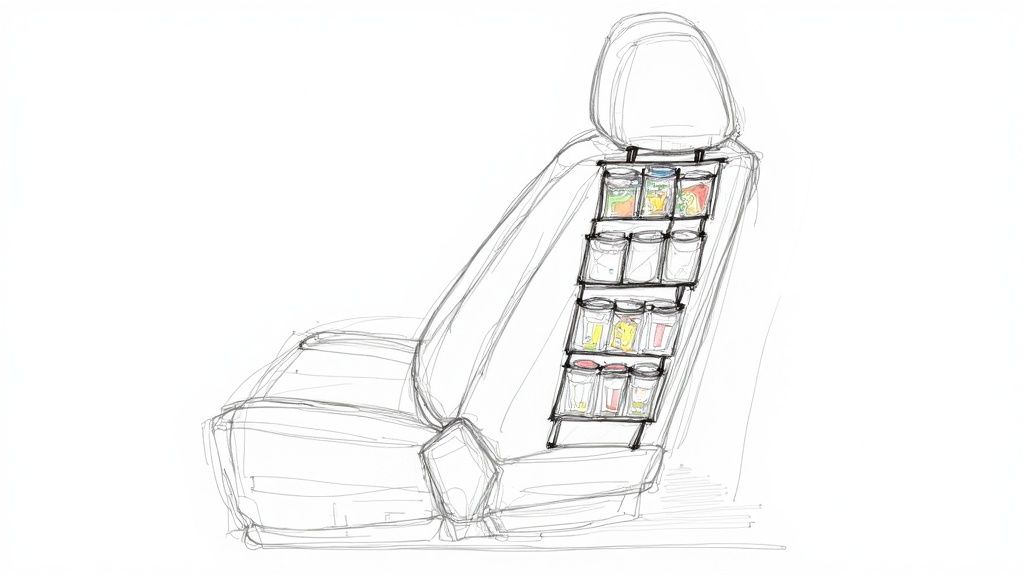
A dedicated snack and beverage organizer is a non-negotiable part of any smart family road trip packing list. It transforms the potential chaos of loose bags, crushed crackers, and spilled drinks into an orderly, accessible system. Instead of rummaging through a backpack in the trunk, this simple addition keeps refreshments within easy reach, preventing hunger-fueled meltdowns and keeping the car tidy.
From versatile backseat organizers by brands like High Road and Lusso Gear to compartmentalized food containers like those from Rubbermaid or Bentgo, there are solutions for every need. These organizers often feature insulated pockets to keep drinks cool, dedicated holders for water bottles, and clear pouches so kids can see their options without asking a million times. The goal is to make snack time self-sufficient and mess-free.
Actionable Tips for Your Travel Kit
To maximize the effectiveness of your snack station, here are a few practical strategies:
- Pre-Portion Everything: Before you leave, divide snacks into reusable, single-serving containers or bags. This prevents arguments over sharing and makes it easy for little hands to manage their own food.
- Create a Snack Menu: Pack a variety of options that cover different cravings, such as salty pretzels, sweet fruit snacks, and protein-packed cheese sticks. This ensures there's always an appealing choice, no matter the mood.
- Strategic Placement: Position the organizer where children can safely access it themselves, like the back of a front seat. For even more road trip solutions, explore our complete guide to family road trip essentials for ideas on optimizing your vehicle's space.
- Mess Management: Keep a small trash bag and a pack of wet wipes inside a pocket of the organizer. This empowers everyone to clean up their own hands and wrappers, keeping the car environment pleasant for the long haul.
6. Navigation and Communication Tools
In an era of ubiquitous smartphones, it's easy to overlook dedicated navigation and communication tools on a family road trip packing list. However, relying solely on a single device for directions, entertainment, and emergency calls is a risky strategy. True preparedness means having a robust system of primary and backup technology to ensure you’re never lost, out of touch, or without power when you need it most.
While your phone with Google Maps or Waze is an excellent primary navigator, a comprehensive plan includes backup options. This could be a dedicated Garmin GPS unit that isn’t dependent on cellular data or even a good old-fashioned paper atlas for a true last resort. For communication, portable power banks from brands like Anker ensure your devices stay charged, while family-tracking apps such as Life360 provide peace of mind for loved ones back home.
Actionable Tips for Your Travel Kit
To keep your family connected and on the right path, implement these practical strategies:
- Download for Dead Zones: Before you leave, use the "offline maps" feature on Google Maps to download the entire route. This guarantees you’ll have navigation even when driving through national parks or remote areas with no cell service.
- Create a Charging Hub: Keep a multi-port car charger and all necessary cables in a designated, accessible spot in the front of the car. Avoid packing them away in luggage where they are useless during the drive.
- Share Your Itinerary: Send a detailed itinerary with planned stops, hotel addresses, and estimated arrival times to a trusted friend or family member who isn't traveling with you. Enable location sharing on a family tracking app so they can follow your progress.
- The Analog Backup: A physical road atlas in the glove compartment is more than just nostalgia; it's a foolproof final backup that requires no batteries or signal. It's an essential safety net for any long-distance journey.
7. Comfort and Sleep Essentials
Ensuring everyone is comfortable and well-rested is fundamental to a successful family adventure, making comfort and sleep essentials a non-negotiable part of your family road trip packing list. Long hours in the car can lead to crankiness and fatigue, but the right gear can transform the vehicle into a cozy haven. These items are designed to support quality rest, prevent stiffness, and make the journey itself a more pleasant experience for passengers of all ages.
A well-planned comfort strategy goes beyond bringing a favorite blanket. Consider items like Trtl travel pillows that offer structured neck support for car naps or car seat gap fillers to prevent a child's head from slumping forward. For daytime rest, blackout window shades are invaluable for creating a dark, sleep-friendly environment in the backseat. For children who struggle with travel anxiety, a weighted lap pad can provide a calming, grounding sensation. To ensure adequate rest during long journeys, it's also wise to review essential tips for safely sleeping in your car.
Actionable Tips for Cozy Travels
To maximize comfort and ensure everyone arrives at your destination refreshed, incorporate these practical tips:
- Prioritize Accessibility: Keep comfort items in a dedicated bag within arm's reach. A duffel on the floor or a seat-back organizer works perfectly, so you aren't digging through the trunk for a pillow.
- Create a Sleep-Ready Space: Maintain as much of a regular sleep schedule as possible. When it's time for a nap or overnight rest, use sunshades and consider a portable sound machine to block out disruptive light and noise. You can also explore options like the best toddler travel beds for consistent comfort at your destination.
- Personalize Comfort Kits: Allow each child to pack one special comfort item, such as a favorite stuffed animal or a specific blanket. This sense of ownership and familiarity can be incredibly soothing in an unfamiliar environment.
- Wash Before You Go: Start the trip with freshly laundered pillows, blankets, and travel clothes. The clean scent and soft feel add an extra layer of comfort and make the car feel more like a home away from home.
8. Weather-Appropriate Clothing Layers
A strategic approach to clothing is a non-negotiable part of any successful family road trip packing list. It’s not about bringing a wardrobe for every conceivable scenario; it's about packing smart with versatile layers that can adapt to fluctuating temperatures and unexpected weather changes. From a sunny afternoon that turns into a chilly mountain evening, layering ensures everyone stays comfortable without overpacking the car.
The key is to think in terms of outfits that can be built up or stripped down. Start with base layers (like t-shirts or long-sleeve tops), add an insulating mid-layer (a fleece or hoodie), and top it off with a protective outer layer (a waterproof or windproof jacket). Brands like Patagonia and Columbia Sportswear specialize in this kind of technical apparel, but the principle applies to any clothing. Using compression packing cubes from brands like Eagle Creek can also revolutionize your packing, organizing clothes by person or outfit type while saving significant space.
Actionable Tips for Your Travel Wardrobe
To master the art of layering and packing for your family, consider these practical steps:
- Route-Wide Weather Check: Before you pack, check the forecast for your entire route, not just your final destination. A drive through the mountains can mean a 30-degree temperature drop, even in summer.
- Wear, Don't Pack, the Bulk: Have everyone wear their bulkiest items, such as hiking boots and heavy jackets, on travel day. This frees up a surprising amount of room in your luggage.
- The "Just in Case" Layer: Always pack one warmer layer than you think you will need for each person. A lightweight fleece or thermal shirt takes up minimal space but can be a lifesaver during an unexpected cold snap.
- The Sock and Underwear Rule: Pack at least two extra pairs of socks and underwear for everyone, especially kids. They are small, lightweight, and absolutely essential for comfort and hygiene after a day of adventure or an accidental spill.
9. Hygiene and Cleanup Supplies
A comprehensive set of hygiene and cleanup supplies is a non-negotiable part of any family road trip packing list. Long hours in a confined space with kids inevitably lead to spills, sticky fingers, and unexpected messes. Being prepared not only keeps your vehicle clean and sanitary but also prevents minor inconveniences from turning into major frustrations, ensuring everyone feels comfortable and fresh throughout the journey.
Think of your car as a mobile command center for cleanliness. Brands like Purell, Clorox, and Wet Ones provide the essential tools, but your system is what makes them effective. A well-organized supply caddy can handle anything from a spilled juice box to a bathroom stop with no soap. This preparation is especially crucial for families with toddlers, where a portable changing station and a dedicated trash system can be true lifesavers.
Actionable Tips for Your Travel Kit
To keep your car a sanctuary of sanitation, integrate these practical habits:
- Create Accessibility Zones: Keep a "working supply" of essentials within arm's reach. Place a bottle of hand sanitizer in a cup holder and a travel pack of disinfecting wipes in the seat-back pocket. Store the bulk backup supplies in the trunk to refill as needed.
- Implement a Trash System: Don't let wrappers and waste accumulate. Hang a small trash receptacle or even a simple grocery bag from the back of a headrest. Make it a rule to empty it at every single gas station or rest stop to prevent odors and overflow.
- The Power of Baby Wipes: Even if you don't have a baby, pack baby wipes. They are incredibly versatile for cleaning sticky hands, wiping down dashboards, cleaning up small spills on upholstery, and refreshing faces after a long drive.
- Organize for Efficiency: Use clear, compartmentalized toiletry organizers or Ziploc bags for personal care items. This prevents leaks from ruining your luggage and makes it easy for each family member to grab their own toothbrush or soap without digging through a single, chaotic bag.
10. Important Documents and Money Management
Managing your documents and money is a foundational part of any successful family road trip packing list. While less exciting than choosing destinations, proper organization prevents major headaches, from frustrating delays at checkpoints to financial emergencies in unfamiliar towns. Having your critical papers and funds in order ensures your journey is smooth, legal, and secure, giving you the freedom to focus on making memories.
A travel document organizer is a non-negotiable tool for road-tripping families. Brands like Travelon and Bellroy offer solutions with features like RFID-blocking technology to protect against electronic theft. The key is to consolidate everything: driver's licenses, passports (if crossing borders), vehicle registration, insurance cards, and reservation confirmations. This simple system turns a frantic glove-box search into a quick, calm retrieval.
Actionable Tips for Your Travel Kit
To keep your documents and finances secure and accessible, implement these strategies:
- Create Digital & Physical Backups: Before you leave, photocopy every important document. Store these copies in a separate bag from the originals. Also, take clear photos of them with your phone and email them to yourself for secure cloud access.
- Keep Documents Accessible: Store your primary document holder in a secure but easily reachable spot, like the glove compartment or a designated console organizer, not buried in the trunk.
- Financial Redundancy: Split cash and credit cards between two adults. Inform your bank and credit card companies of your travel dates to avoid your cards being flagged for fraud. When planning your route, be sure to also investigate essential travel and car rental insurance in Asia, particularly if venturing internationally.
- Emergency Contacts List: Program "ICE" (In Case of Emergency) contacts into every family member's phone. Keep a separate, physical list of credit card customer service numbers and your pediatrician's contact information with your document copies.
Family Road Trip Packing Essentials Comparison
| Item | Implementation Complexity 🔄 | Resource Requirements ⚡ | Expected Outcomes 📊 | Ideal Use Cases 💡 | Key Advantages ⭐ |
|---|---|---|---|---|---|
| First Aid Kit | Low - requires basic knowledge | Moderate - periodic restocking | Immediate emergency treatment; minor injury care | Family road trips; remote travel | Quick access to medical supplies; peace of mind |
| Cooler with Ice Packs | Moderate - prep and maintenance | High - ice packs, space needed | Prolonged food preservation; cost savings on meals | Multi-day trips; health-conscious families | Saves money; maintains food safety; healthy snacks |
| Entertainment System for Kids | Moderate - device setup & management | High - devices, power sources | Keeps kids engaged; reduces conflicts; safer driving | Long drives with children | Reduces complaints; educational; flexible options |
| Emergency Roadside Kit | Moderate - some automotive know-how | Moderate - tools and equipment | Enables self-rescue; reduces wait times in breakdowns | Remote roads; vehicle emergencies | Saves towing fees; improves safety; peace of mind |
| Snack and Beverage Organizer | Low - simple setup | Low - storage organizers | Organized snacking; spill prevention | Families with kids on short/long drives | Reduces mess; promotes healthier snacks; convenience |
| Navigation and Communication Tools | Moderate - tech familiarity required | High - devices, charging | Accurate routing; safety alerts; emergency contact | All family road trips | Saves time; improves safety; reliable backups |
| Comfort and Sleep Essentials | Low - packing and choice | Low to moderate - comfort items | Improved sleep; reduced fatigue | Long drives; overnight stays | Enhances comfort; reduces travel fatigue |
| Weather-Appropriate Clothing Layers | Moderate - planning & packing | Moderate - multiple clothing items | Adaptable to weather; prevents illness | Variable climates; longer trips | Versatility; reduces emergency purchases |
| Hygiene and Cleanup Supplies | Low - straightforward | Low to moderate - consumables | Maintains cleanliness; prevents illness | Trips with limited facilities | Reduces germs; easy cleanup; peace of mind |
| Important Documents and Money Management | Moderate - organization & security | Low - essential documents | Smooth checkpoint passage; emergency financial access | All travel involving legal/financial requirements | Prevents loss; facilitates emergencies; organized |
Your Adventure Awaits—Hit the Road with Confidence!
As you can see, assembling the perfect family road trip packing list is far more than a simple chore. It's the strategic first step in orchestrating a journey that is smooth, safe, and filled with joy rather than stress. By methodically working through the categories we've covered—from critical safety gear to sanity-saving entertainment—you are essentially building a mobile command center tailored to your family's unique needs. This isn't about overpacking; it's about smart packing.
The transition from a chaotic scramble to a confident departure begins with this checklist. Think of each item not as just another thing to stuff in the car, but as a solution to a potential problem. Your well-stocked first aid kit is peace of mind when a scraped knee happens at a remote rest stop. The strategically packed cooler filled with healthy snacks prevents meltdowns and unhealthy fast-food stops. A portable potty can be a game-changer that eliminates the frantic search for clean public restrooms.
Key Takeaways for the Master Packer
Let's distill this comprehensive guide into its most critical takeaways. Mastering these principles will transform your packing process and, by extension, your entire travel experience.
- Categorize Everything: Don't just make a single, monolithic list. Break it down into logical groups: Safety, Comfort, Food, Entertainment, and Hygiene. This approach ensures no crucial area is overlooked and makes the physical act of packing the car more organized.
- Prepare for the Unexpected: The difference between a minor inconvenience and a trip-ruining disaster often comes down to preparation. An emergency roadside kit, a backup power bank, and a small stash of extra cash are your best defenses against unforeseen challenges.
- Comfort is King: A comfortable child is a happy traveler. Investing in items that promote good sleep and cozy travel, like a portable toddler bed or a favorite blanket, directly contributes to a more peaceful journey for everyone. A well-rested family is ready for adventure.
By embracing this structured and thoughtful approach, you are no longer just a parent packing a car. You become the family's adventure architect, proactively designing an environment where connection and memory-making can flourish. The open road is unpredictable, but your preparation doesn't have to be. This detailed family road trip packing list empowers you to handle detours, delays, and discoveries with equal grace and confidence.
Ultimately, the goal is to minimize logistical worries so you can maximize the moments that matter. The laughter that fills the car during a silly game, the shared awe of a stunning sunset viewed from a scenic overlook, the quiet moments of togetherness as the miles roll by—these are the true destinations of any family road trip. Your meticulous preparation is the invisible foundation that makes it all possible.
So, take this list, adapt it, and make it your own. Check off each item with the assurance that you are setting your family up for success. You've anticipated the needs, planned for contingencies, and organized the essentials. Now, all that's left to do is load up the car, turn up the music, and steer your family toward the horizon. Your next great adventure is packed and ready to go.
Ready to upgrade your travel gear and make your next road trip the smoothest one yet? Explore the innovative travel solutions from Hiccapop, designed by parents for parents. From our award-winning inflatable toddler travel bed to clever organizers that simplify life on the go, our products are the perfect addition to any Hiccapop family road trip packing list.